
Watershed: The Tennessee River
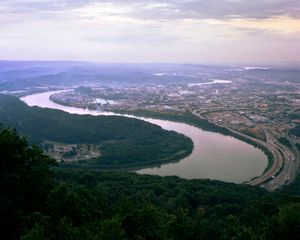
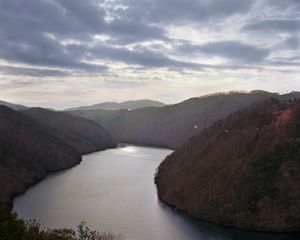
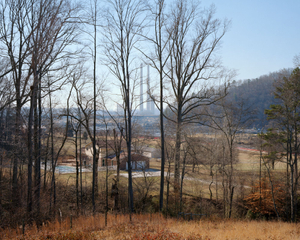
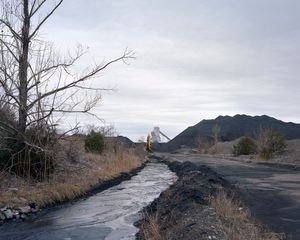
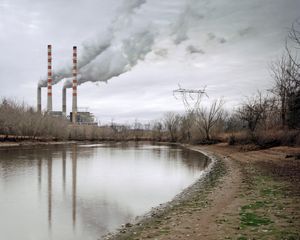
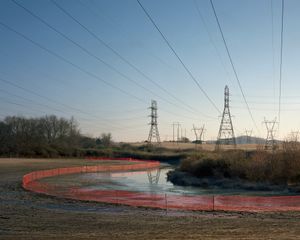
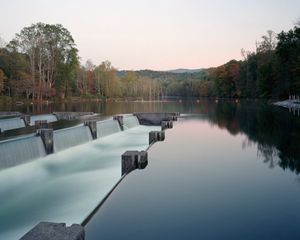
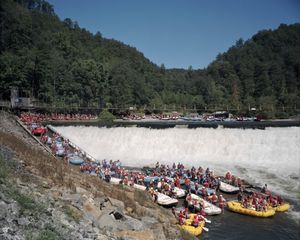
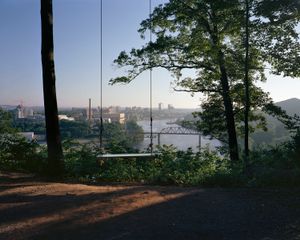
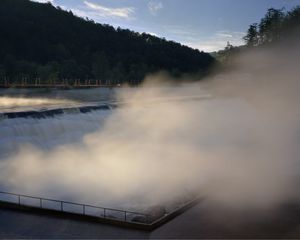
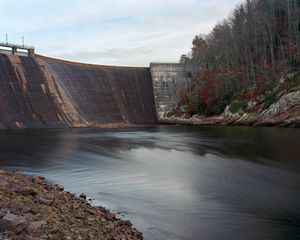
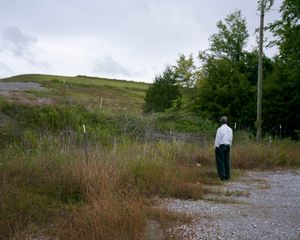
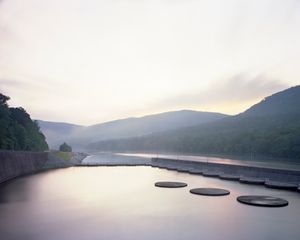
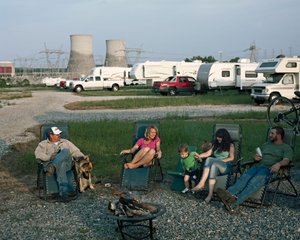
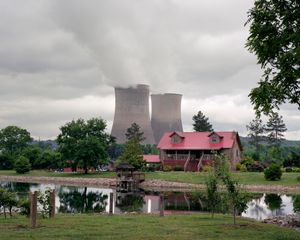
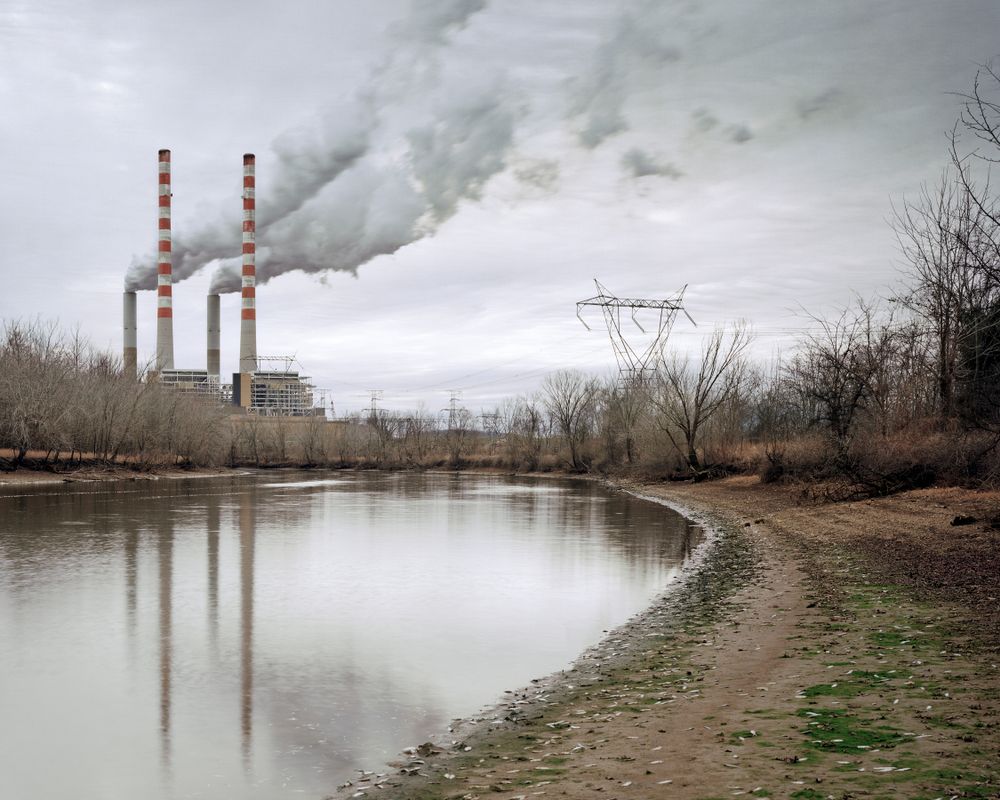
Watershed: The Tennessee River is an ongoing project, which examines the complicated effects and consequences of large-scale modernization in the Tennessee River Watershed. As a starting point the project focuses on the Tennessee Valley Authority (TVA), which has completely reshaped the rivers and ecosystem of the Tennessee Valley, as well as the lives of its residents over nearly a century of evolution. The project forms the second phase of The Watershed Project, which is 15-year project that highlights the complex and often fraught relationship between land, water, and man within the Mississippi River Basin. The energy industry is in the midst of enormous changes, and this project captures the TVA at a vital point, as they move away from Coal and towards Natural Gas and a greater use of Nuclear Power. The project incorporates archival photography from the early history of the TVA as well as contemporary photographic documentation of TVA sites, and the residents most effected by the agency’s projects. Additionally, Watershed considers the sustainable future of the watershed, by documenting remediation projects such as dam removal and the preservation of species and habitat in one of the most bio-diverse regions in the world. The founding of the TVA was the start of an explosion of development across the Southeastern United States. A project that examines the environmental consequences in the 21st century is an essential document in order to better understand the TVA’s legacy and impact. The TVA can be seen as a precursor to many current large scale hydroelectric and modernization projects. Currently there are 50,000 large dams built worldwide, 90 percent of them built since 1950. The early successes of the TVA were an inspiration for this dam building frenzy. By examining the motivations for the creation of the TVA and its evolution in the 21st century, as well as sustainable remediation measures, this project offers a glimpse into a highly altered watershed.
No categories selected
Photos (20)