
Lost Land Revisited
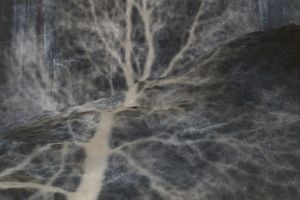
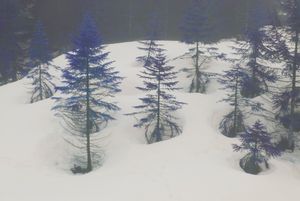
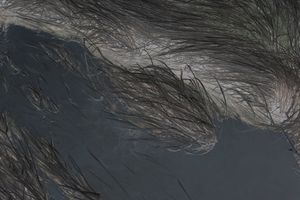
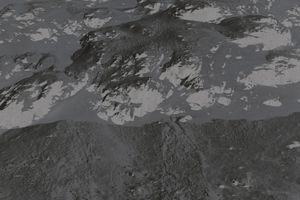
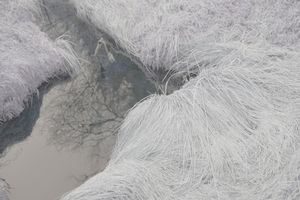
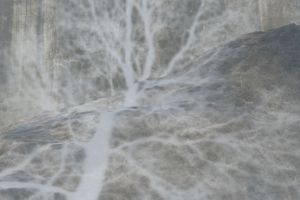
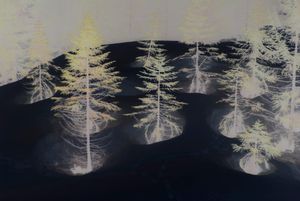
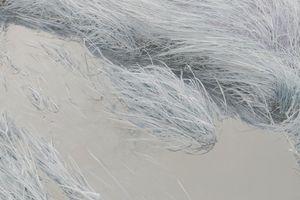
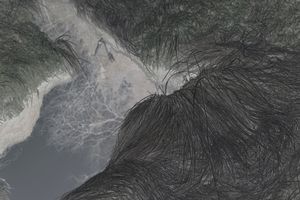
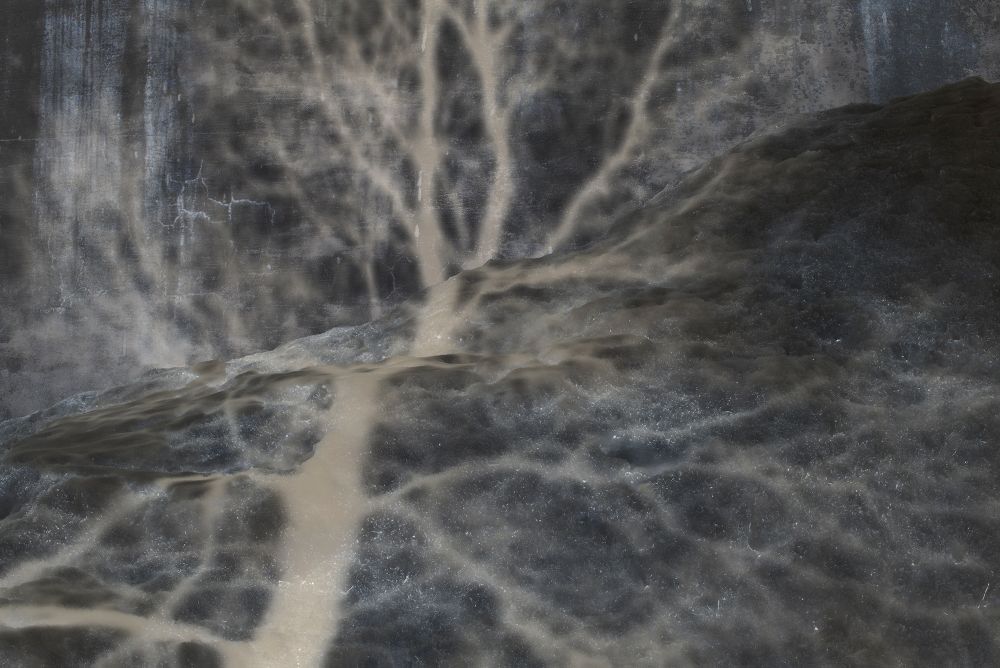
In this body of work, I reconsider my relationship to a particular area in rural Western Norway, which my family and I called home for the last ten years, but which we abruptly had to leave, one hectic night last February. One of our children developed a post-traumatic stress disorder over the years because she was one of the victims of the continuous bullying by a behaviourally disturbed boy at the local primary and secondary school. While still recovering from her second mental breakdown, it all became too much for her in the end, as even the landscape outside our house triggered vivid flashbacks and intense panic attacks. That week in February, she wouldn’t leave the house any more. Not even the dining room, where she had ensconced herself behind the dining table with her back towards the window. This was how she avoided the sight of the dark, tall pines across the river, the snowy fields surrounding our house, and further away, the wild woods and mountains, that, to her, only spoke of danger and utter loneliness. As our family situation became more complicated by the hour, we decided that there was only one thing we could do; overnight, we packed the car and left for good, heading for our home country and hopefully the right treatment. I loved that unspoiled landscape and became quite attached to it. Almost every day, no matter how harsh the weather, I could wander on my own for hours across the woods and along the riverbank, walking our dogs, contemplating, while photographing the wonders of nature. Now, months later, I’m not sure how to relate to this Northern place, I’ve got to know as the back of my hand. In my mind, I still wander across the marshlands, waiting for the right light, while trying to keep my hands warm as temperatures are far below zero, but the feeling is different; it is no longer the same walkable landscape, the same habitable place. The landscape feels distant and empty. The trees, the fields, the river, all these natural elements, which to me were very much alive, are now like mere objects; unrecognizable and dead, as if all oxygen has been taken from the air. I like to think of these manipulated landscape photographs as mindscapes or after images, in which I investigate issues such as loss and estrangement. This particular edit shows two different qualities of the same image, as to emphasize, that, each time I try to reconnect with this familiar place and try to remember how I really felt at home there once, I fail. Each time perhaps, failing better, as the different versions of the images reveal new and unexpected details I didn’t notice when I actually was there. By sneaking in through the back door, approaching the area while using inverted photographs (images of the exact opposite of what I once saw), I may be able to look at this precious but infected landscape in future without being overwhelmed by grief. © Monique de Groot, November 2016
No categories selected
Photos (10)