
Sunshine Children
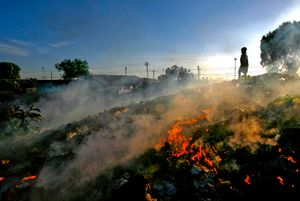
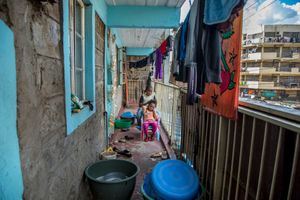
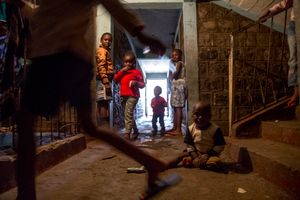
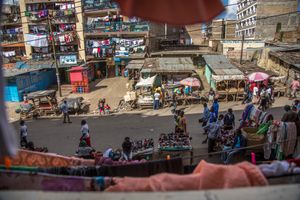
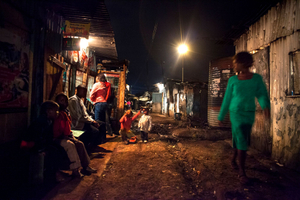
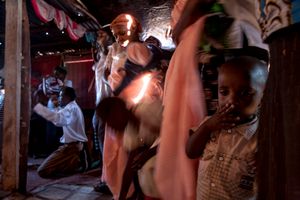
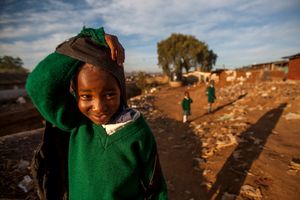
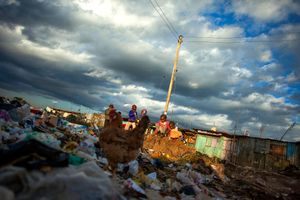
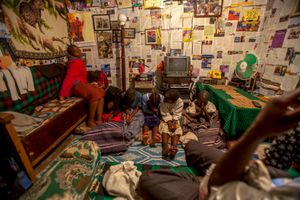
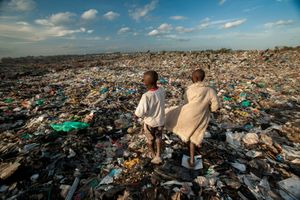
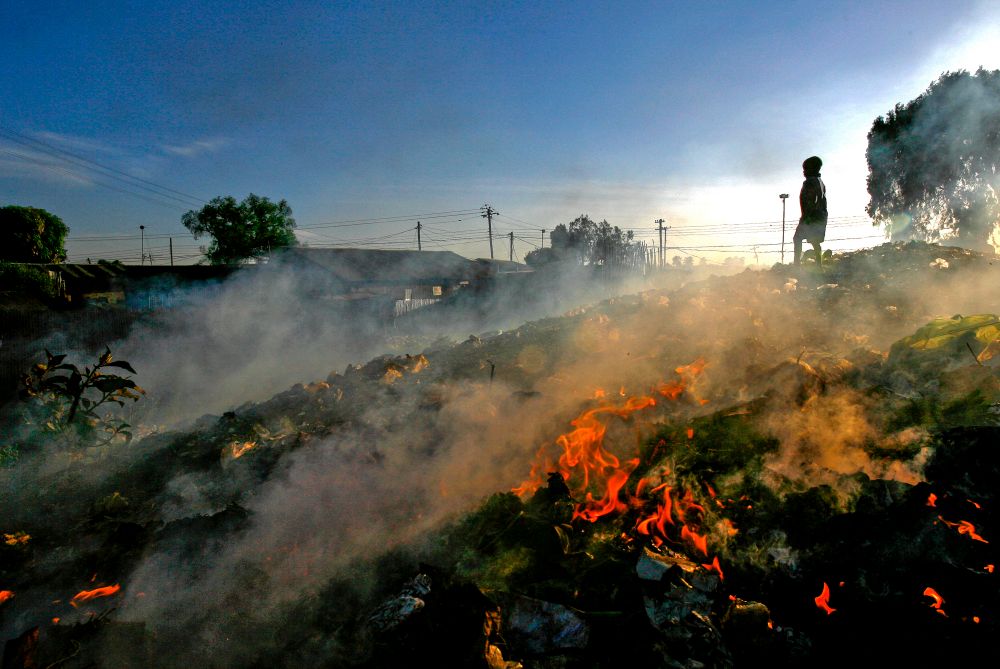
Urban poverty is set to be Kenya's defining crisis over the next decade. The country has one of the highest rates of population growth with a population that has nearly tripled from 16.3 million in 1980 to 47 million today. Half are under 15. The face of poverty in Kenya is changing and the country is facing a new urban crisis with Nairobi’s rapid urbanization 60 per cent now live in low-income estates and slums such as Kibera, Huruma and Dandora. These areas have limited access to even the most basic services and are heavily polluted by garbage, soot, dust, human and animal waste. Children living in slum dwellings face numerous challenges as they transit from adolescence into adulthood trying to make sense of a hostile slum environment of unemployment, poor housing, large family sizes, violence, crime, drug and alcohol abuse, poor education facilities and lack of recreational activities. Burning rubbish is a way of life, children play in and around these areas, the only open spaces they have. The lack of sanitation combined with poor nutrition accounts for many illnesses and diseases. 75% of Kibera's population is said to be under 18 with 100,000 of them orphans. One in five do not live to see their 5th birthday. When a city has more than three quarters of its population living in social-economic circumstances that do not allow them to earn a decent living or stay safe, it cannot be sustainable to leave enough for future generations. This series is called “Sunshine Children” and gives us a glimpse at the lives of Nairobi’s urban children living in poverty.
No categories selected
Photos (10)