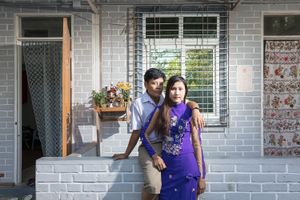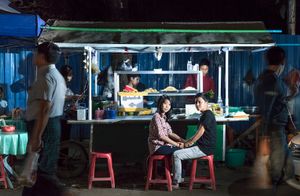
Unconventional love. Tomboys & Transmen in Myanmar.
As Myanmar continues to liberalize after over fifty years of military dictatorship, SOGIE (sexual orientation, gender identity and gender expression) minorities still face myriad forms of discrimination. There are significant changes underway in the former capital Yangon, LGBT associations/initiatives are growing and few people are starting to come out, however complex legal, social, and religious obstacles and beliefs pose a serious threat to diversity tolerance for this community. Although political and legal institutions have been rapidly changing since the 2010 general election, SOGIE rights are far from being a priority in the law. Same-sex relationships are in fact still illegal, Section 377 of the Penal Code criminalizes “carnal intercourse against the order of nature”- and although rarely enforced, it does create an atmosphere of fear and oppression. Many transgender men call themselves Tomboy, using the English word, as there is no word in Burmese for gay or lesbians, there are only insults. Lesbians face their own challenges, often silenced. Becoming a transgender man makes more sense socially than becoming a transgender woman, as wanting to become male means earning better status due to a deeply rooted hierarchical structure that places men above women. However, the situation is far more complex, as in practice there is no space in society for tomboys. It is often difficult to find a job and earn money whereas transgender women can find spaces in certain sectors, becoming make-up artists, entertainers or mediums as people think they have a link with the spirit world. This first-hand photography project presents the readers with stories of unconventional love through the extraordinary testimony of Burmese SOGIE minorities couples that decided to break the silence to become change agents.
No categories selected
Photos (10)