Parkinson’s Disease is a long-term neurological condition that affects the way the brain co-ordinates body movements, including walking, talking and writing and affects both men and women, it is caused by a loss of nerve cells in the part of the brain called the substantia nigra. The nerve cells in this part of the brain are responsible for producing a chemical called dopamine.
Dopamine acts as a messenger between the brain and the nervous system and helps control and co-ordinate body movements. If these nerve cells become damaged or die, the amount of dopamine in the brain is reduced. This means that the part of the brain that controls movement cannot work as well as it should and this in turn causes movement to become slow and abnormal.
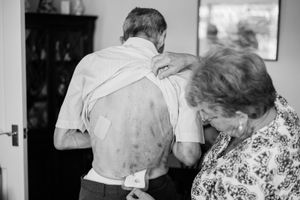
It can cause the sufferer to have a tremor or stiffness that makes it frustrating or sometimes impossible to do everyday activities such as eating, smiling, getting dressed or driving.
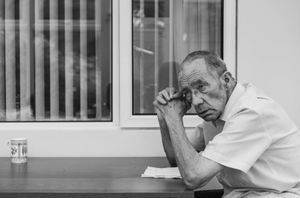
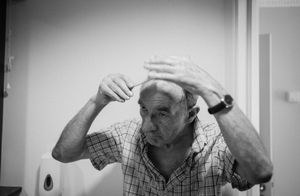
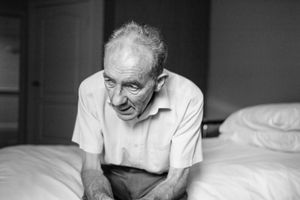
A noticeable sign of his struggle with the tremors is the way he used to grip his right hand, the worst one for tremors with his left hand or by keeping it in his pocket to try and keep the tremors from becoming too obvious although as the condition is getting worse he’s stopped doing this as much.
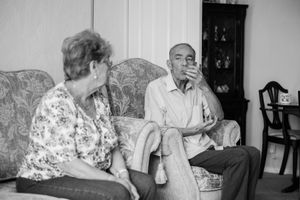
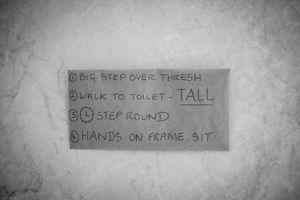
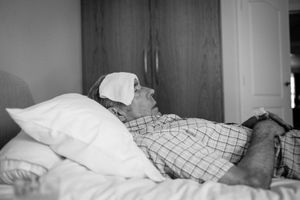
Irregular sleep patterns, frequent toilet needs, uncontrollable and violent tremors, lack of general mobility and balance and at times hallucinations and confusion caused by the illness and the medication are just some of the issues that must be dealt with each day and mean that it is a difficult task for my mother to ensure all the usual household needs are carried out whilst still maintaining care levels for my father. The demands of which become greater each week.
Parkinson’s doesn’t just affect movement. Other symptoms such as tiredness, pain, depression, constipation and weight loss can all have a huge impact on the day-to-day lives of people with the condition and to make life even more challenging. People with Parkinson’s never know when the next bout of symptoms will hit. This makes being out in public daunting and the subsequent stress and anxiety makes the condition worse.
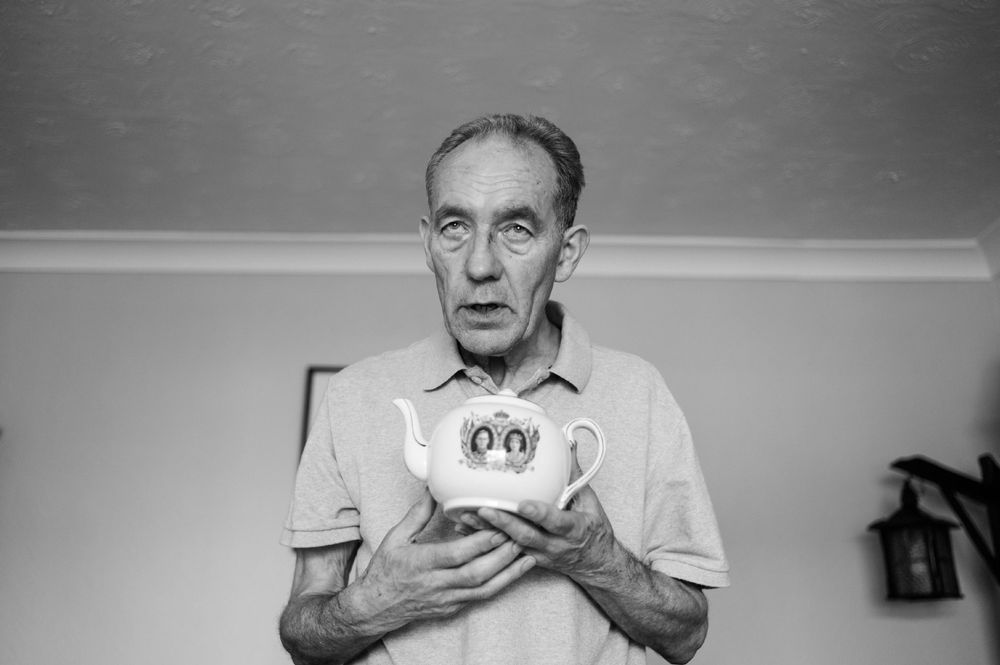
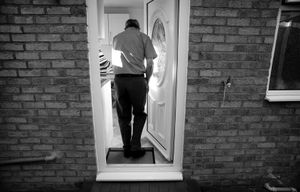
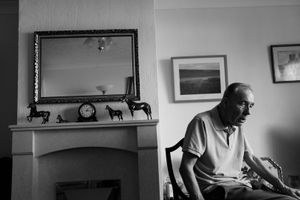
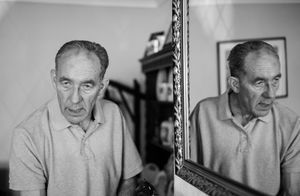
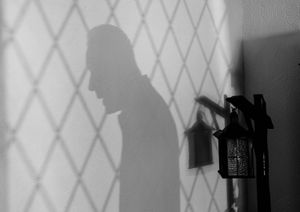
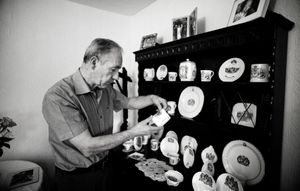
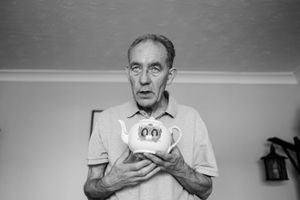
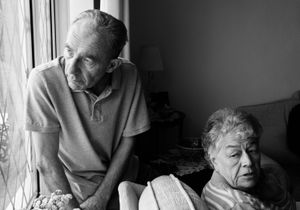
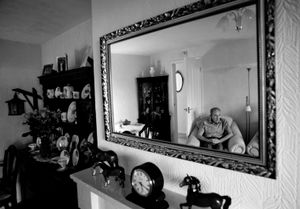
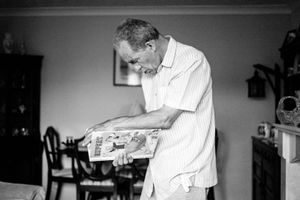
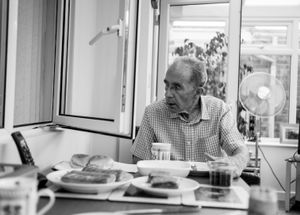
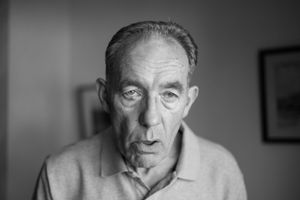
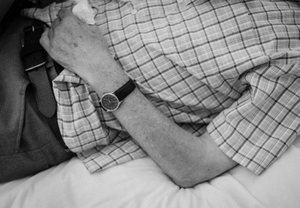
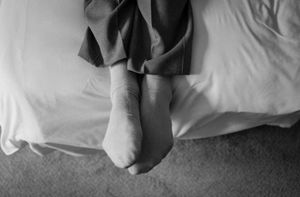
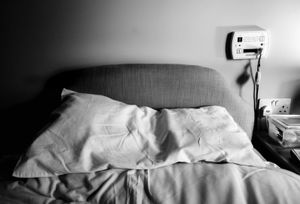
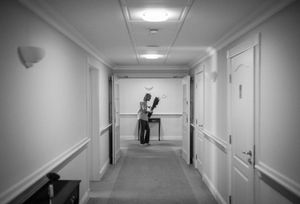
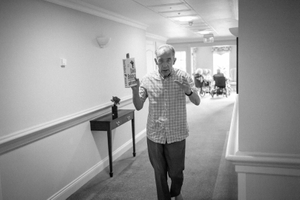
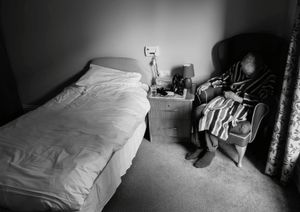
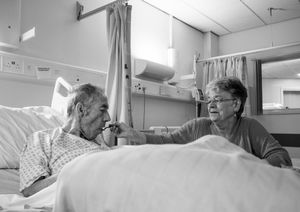
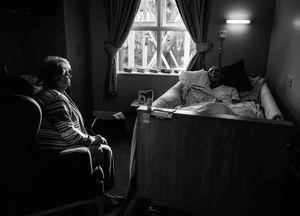
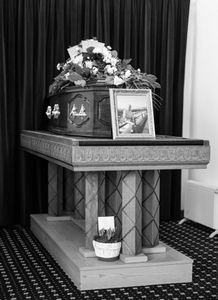
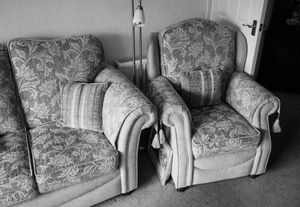
The photographs in this series are of my father Dave Forsyth who suffers from Parkinson’s. His condition is gradually and inevitably deteriorating. Along with the endless tablets consumed daily and the inherent side effects of some of those tablets the disease itself is making things increasingly difficult for both my parents. However if the medication isn’t taken at the right time then the swift onset of the violent tremors that are a major effect of the disease will quickly occur and the periods of lucidity are mixed with confused ramblings and difficulties in being able to carry out even basic activities.
After his medication there are short times of great awareness from my father who can recall many small details from years ago. Occasionally he might visit the local pub to watch the football and he still enjoys the odd visit or day out to a day centre a couple of days each week for a bit of a break and distraction – for him and for my mother – he is still on rare occasions able to enjoy pottering in the garden and continues to do a few of some of the general household chores.
But this is increasingly becoming less often as his dependency on others grows and almost as quickly as these periods of lucidity come they can go.
His speech is now suffering and a slow quiet mumbling is sometimes all that can be heard which makes communicating with him difficult. There were plans for him to see a specialised speech therapist but more than likely this isn’t going to happen now because his concentration span has deteriorated to such a degree that he would struggle to get any benefit from it.
More recently my mother has had to put him in a care home for a number of longer ‘respite’ breaks. Each one of different durations and this affords them both, but especially my mother, the chance to take a breather and to have at least a few days away from the constant care that is now required.
Her health has now deteriorated to some degree due to the demands of caring for my father and the stresses that result and it is an inevitable reality that the longer this goes on then the worse their conditions will become and the more pressure she will feel as she tries to maintain that level of care.
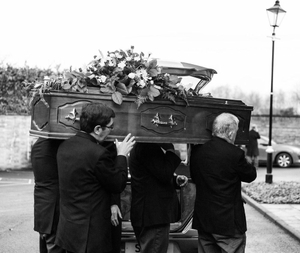
The photographic work documents my fathers struggles with this illness and the effects it has on those around him. The project will inevitably reach an obvious conclusion sometime in the future but I hope that this work might highlight Parkinson's Disease and its impact on the individual and their families and will ultimately increase the awareness of this disease and allow for further research, funding and exploration into the illness.