
Until We Find You
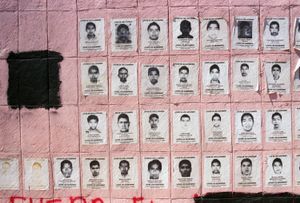
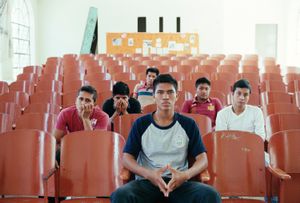
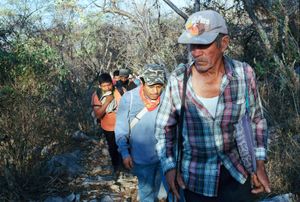
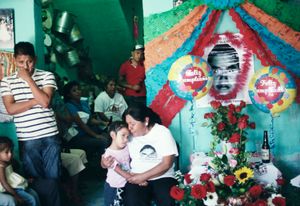
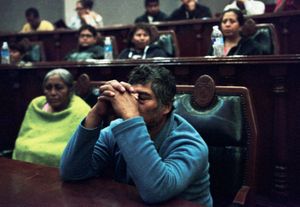
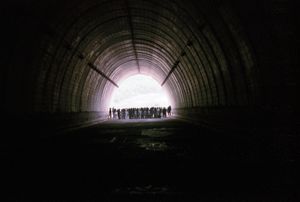
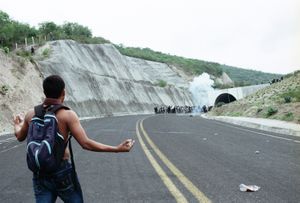
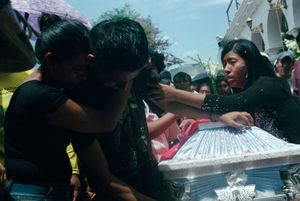
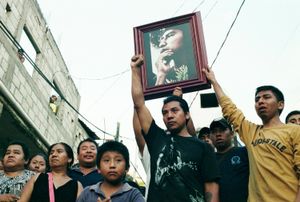
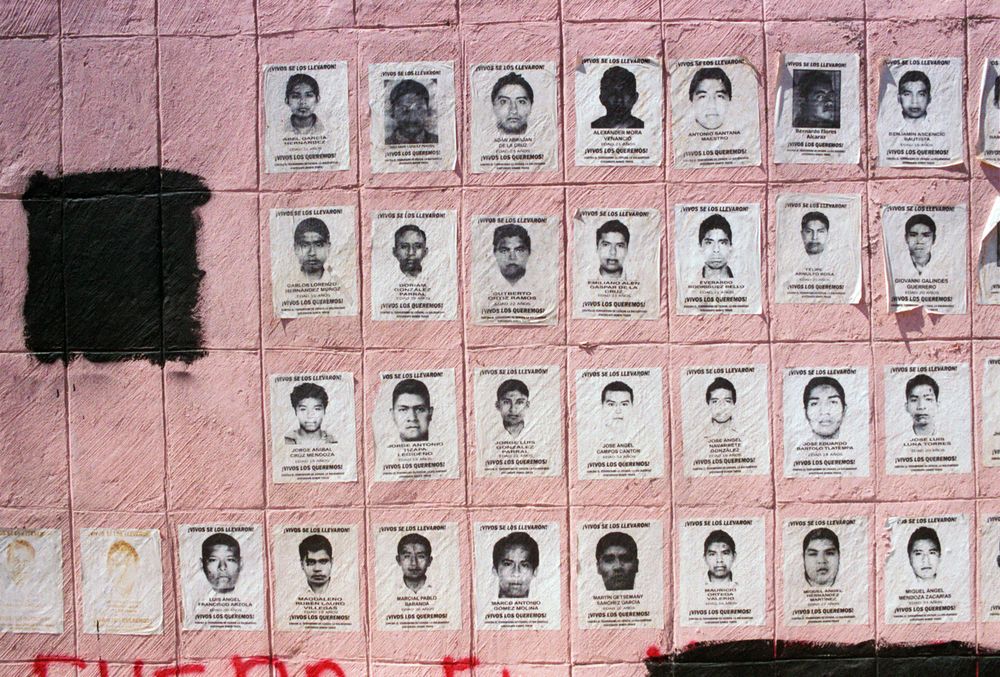
At the end of 2016, the number of people who are reported missing in Mexico reached 30,000. This crisis of disappearances, which are mainly perpetrated by drug cartels or corrupt security forces, has left tens of thousands of families consumed and tormented by uncertainty. The disappeared person has often been murdered, but their loved ones have no body, no answers, no justice, and no closure. This series follows one case: 43 college students who disappeared following a deadly attack by police in 2014. Their families became the heart of a mass protest movement as hundreds of thousands of people carried their faces in marches and demanded they be returned alive. The fate of the students, who attended a school known for its activism and built for the rural poor after the Mexican Revolution, became a symbol for social disintegration and for decades of state crimes that live on in collective memory. The mothers and fathers, uncles and sisters, nephews and classmates united by these events have been living, organizing, and grieving together for almost three years. The Mexican government’s account of the crime has been denounced by international investigators as a fabrication, and the families have traveled across Mexico and the world to organize resistance and fight for the truth. In the words of Erica, the wife of missing student Adan Abraján, “If the Ayotzinapa case is closed, all struggles are in danger.” They continue to search for their loved ones alive.
No categories selected
Photos (10)