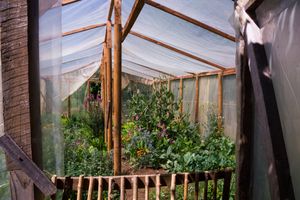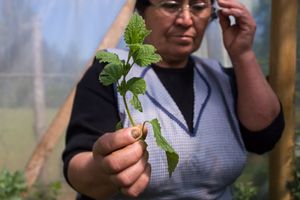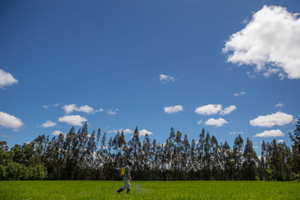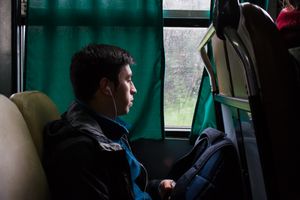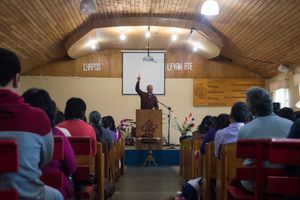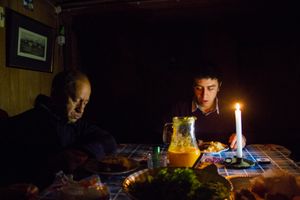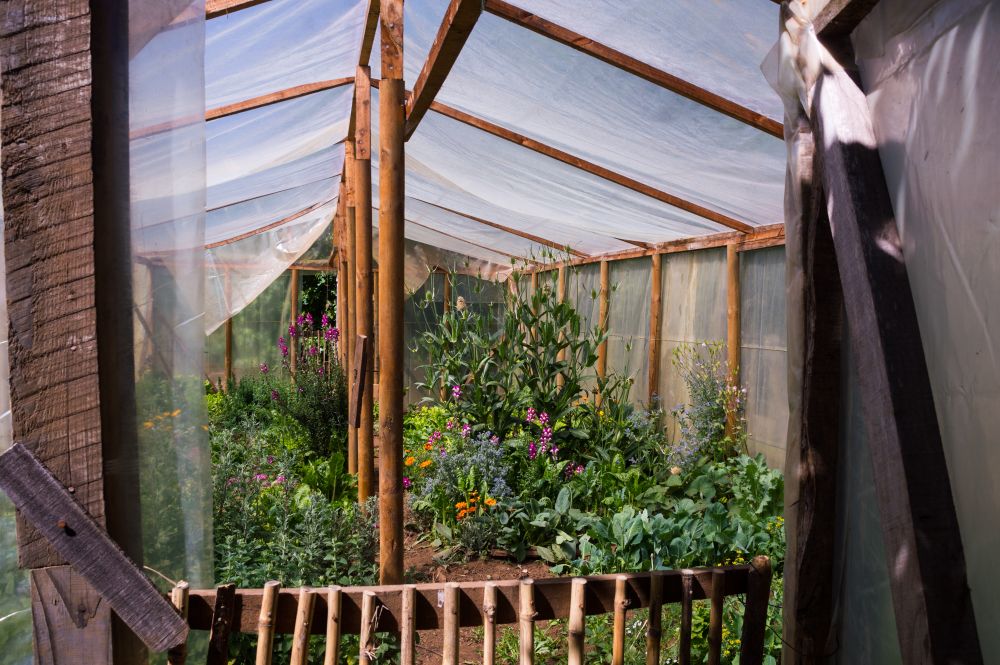
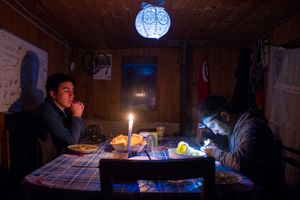
For my thesis project, I lived in the Millañir family’s home to document the Mapuche conflict with the Chilean state. Although I had heard about Mapuche protesters torching churches and police invading Mapuche homes, this is not what I experienced. What I found was a very loving family who was struggling to define themselves given the conflicts between their heritage and their future goals.
Their Mapuche relatives expect them to speak only their native language (Mapudungun) and to keep the Christian missionaries out of their village, but the Millañirs like that the missionaries bring foreign money for development and provide a sense of community. In turn, the missionaries expect them to abandon some of the un-Christian aspects of their Mapuche heritage, but the Millañirs still believe in witchcraft, practice herbal medicines, and generally see the world as they were brought up to see it. Lastly, the Mapuche community expects them to stand up and resist the Chilean government as they seize land and natural resources – however, the Millañirs have gained opportunities for education, a constant income, and a sense of purpose through their relationships with the people in the city.
The Mapuche conflict did not violently manifest itself in front of my lens, but it simmered beneath the surface as I witnessed the subtle revolutions that the Millañirs chose to make in their daily lives.