Standing Strong: The birth of a Native American Civil Rights Movement.
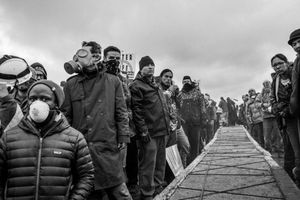
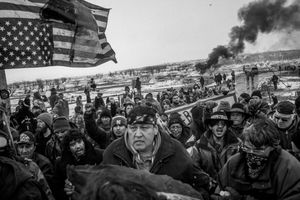
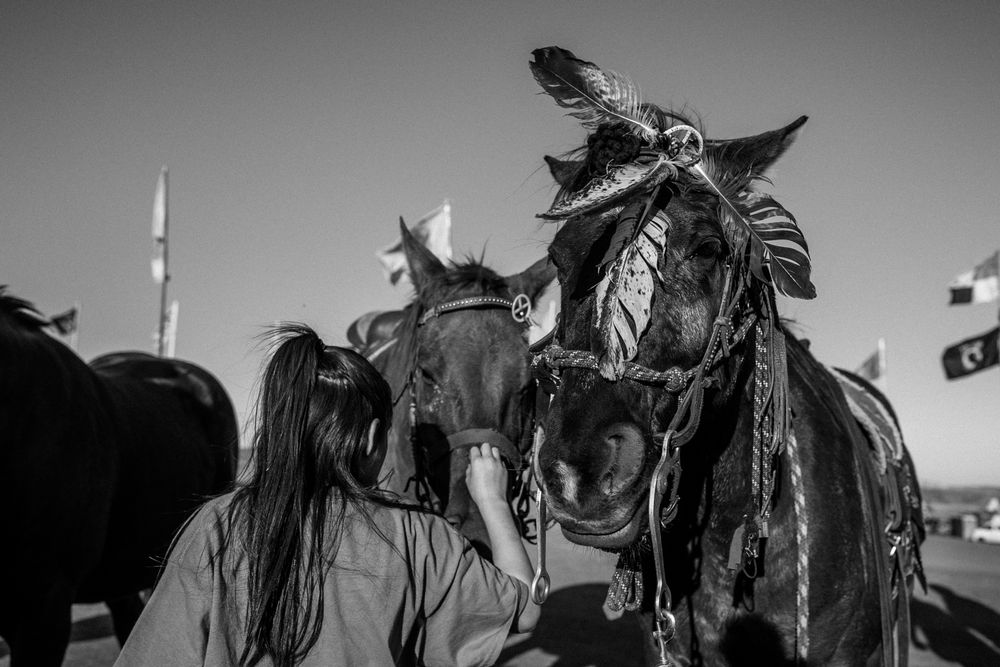
“Every time they do something to us, it creates a stepping stone for us to go beyond what we thought was possible.” Sunny, Native Camp Leader at pipe ceremony, Cheyenne River Camp, North Dakota, Feb 25, 2017. This ceremony occurred in the days following the forced removal by local, state and federal law of residents of Oceti Sakowin Camp located on unceded treaty territory on the banks of the Cannonball River. For over six months, I lived in these prayer camps. In the summer of 2016, thousands of indigenous people and their allies had responded to the call by the Standing Sioux Tribe to come and to support them in their efforts to stop the Dakota Access Pipeline. The 1,172 mile underground conduit would transport 570,000 barrels per day from the Bakken formations near the Canadian border, into North Dakota, South Dakota, Iowa, terminating in Illinois. Previously, this project was meant to run north of Bismarck, but local white residents refused the project because they feared oil contamination of their drinking water. Dakota Access Pipeline then decided to run the project a mile North of the Standing Rock Sioux Reservation. Residents of the tribe considered it a possible environmental genocide, as well as a desecration of their historical cultural sites. This series of images reflects the time I spent documenting the opposition to the Dakota Access Pipeline at the Oceti Sakowin Camp near the Standing Rock Sioux Reservation. In that time I saw the evolution of this movement from a couple hundred people to almost 10,000 at one point. In the early months of summer, the camps were in a development stage as over 380 tribes came to show solidarity with the Standing Rock Sioux and it became the largest gathering of indigenous nations in history. As fall and winter approached, the pipeline was getting closer to completion and the atmosphere became tense as people started to face more conflict with the police and with the state. I believe these images are an honest documentation of the birth of a modern Native American Civil Rights movement in the United States.
No categories selected
Photos (10)