Spain's Lost Memory 1936-1975
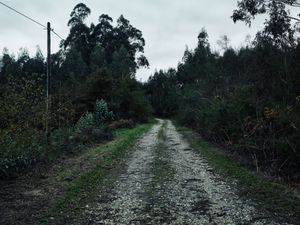
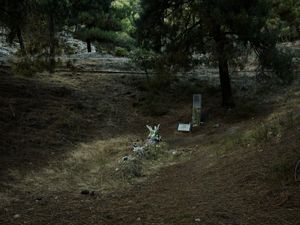
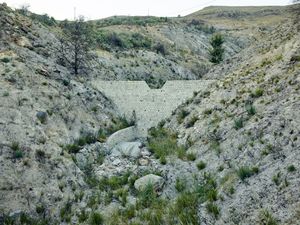
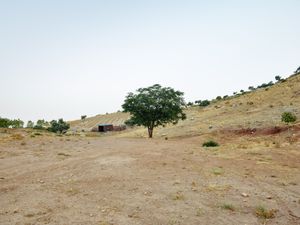
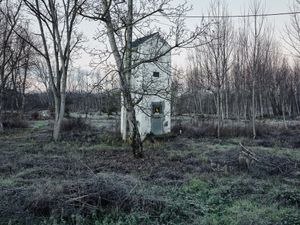
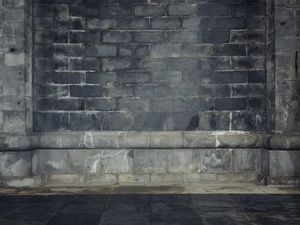
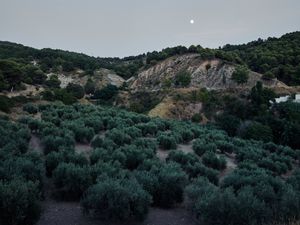
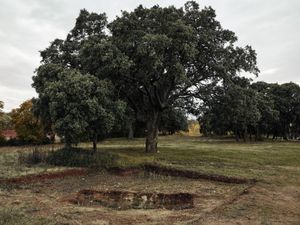
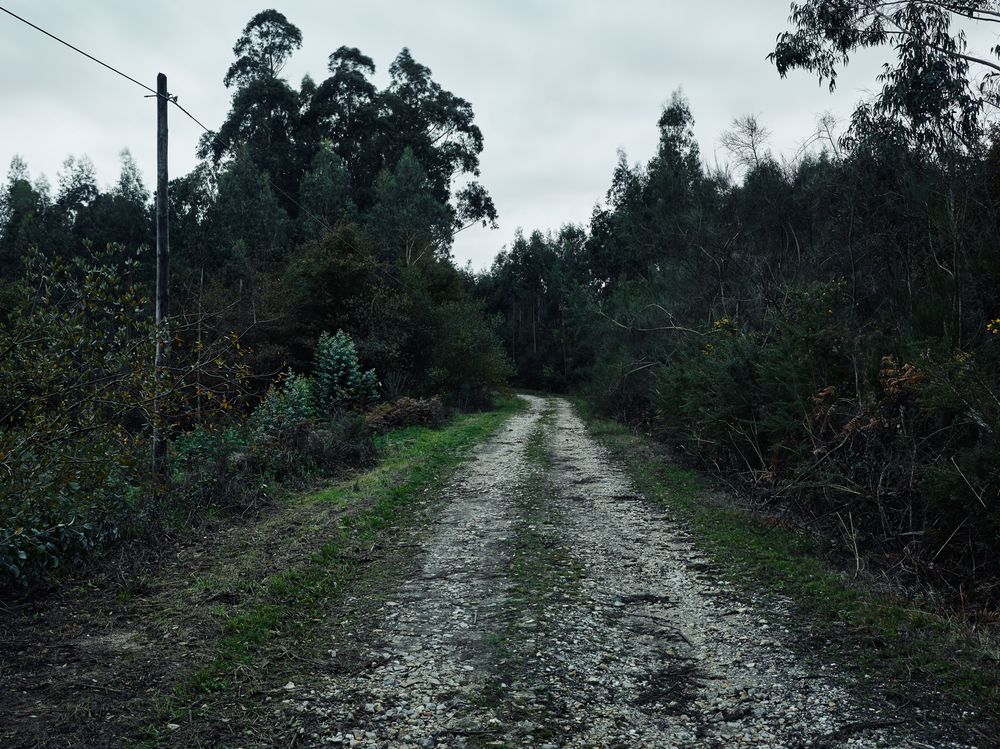
In 1936 a military coup sparked the Spanish Civil War that came accompanied by a violent repression. Armed groups picked up people at their homes as well as in prisons and under the euphemism of “let’s go for a walk” they were brought to a road or wall and executed. The assassins tried to hide their traces, as the success of the coup was unsure. To complicate the identification, they killed their victims far away from their homes. To save resources, they chose ravines with loose ground to cover the bodies, pits or caves to dump the bodies followed by grenades and a cover of debris. The subsequent 39 years of Franco's dictatorship created a climate of fear through executions, concentration camps, torture and forced labour. Up to 200,000 people were executed on both sides during the civil war - three quarters by Franco's forces. Once the war ended, another 20,000 Republicans were killed - in total more than all the disappeared in South America's dirty wars of the 70s and 80s put together. Today Spain counts 114,226 disappeared, most of them thought to lie in unmarked mass graves. Only Cambodia has more mass graves. While the Franco regime accused and judged the Republicans for crimes right after the war, the crimes of the winners have never been investigated or brought to justice. In the decades after Franco’s death in 1975 there was no open discussion about the Francoist crimes, as a pact of forgetting had to blanket the crimes in order to allow for the smooth transition to democracy. It wasn’t until the beginning of the millennium, that non governmental organisations started to recover the historical memory - often against a fierce resistance, since the ideological fronts remain persistent until today. In the recent 15 years 359 of the 2,382 registered mass graves could be opened. Numerous voices from the legal sector, the UN, the European Commission and various victims' associations accuse the nationalist rebels of having committed acts of genocide and crimes against humanity, as their plans included the systematic extermination of the political opposition, rape of women and theft of children. The project comprises photographs of the sites of the atrocities or of the mass graves, that have not been opened or dignified to date. The photographs were taken after sunset and before sunrise, the preferred hour for “walking” and executing people. If possible they capture the place at the same hour, day and season of the year as the killings. While the photographs do not include people, the sites are impregnated with human traces left by a traumatic event in the past. The serenity of the images and the absence of people contrast with the horror that occurred there. While the sites are impregnated with human traces, it’s the human absence that recalls and reestablishes the missing into the empty space. These spaces could be anywhere in Spain and the visual approach leaves enough room to the viewer to reflect and contribute his own vision and context.
No categories selected
Photos (10)