
Paris 19
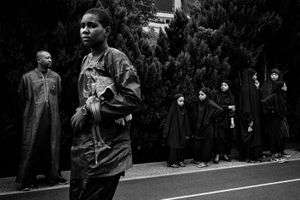
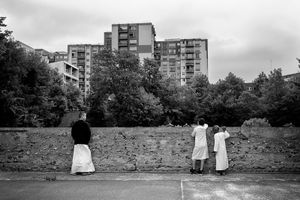
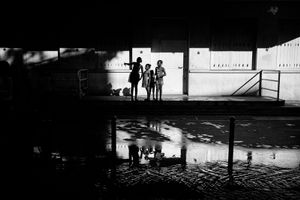
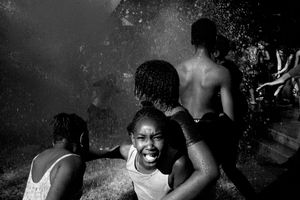
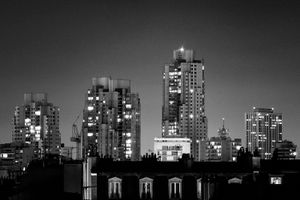
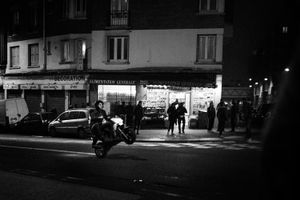
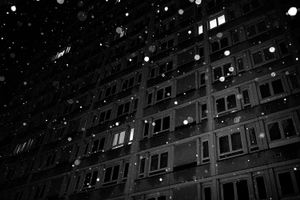
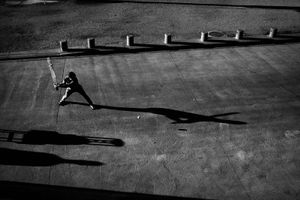
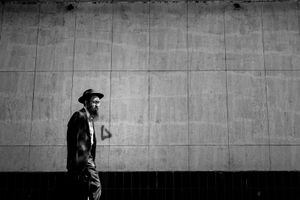
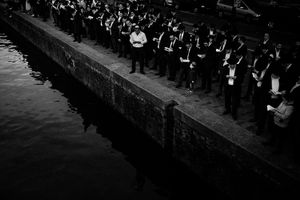
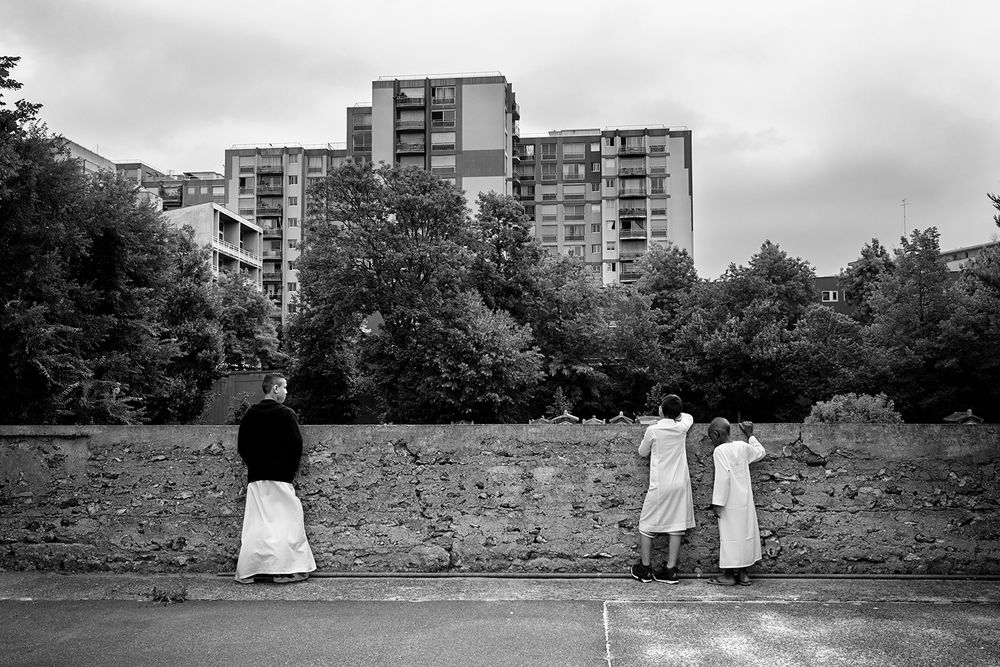
Welcome to the north-east of Paris. Far from the postcards of the capital, the elegant Haussmann avenues, the monuments and gilding of the center districts, the cobblestones of the 19th resonate to the sound of a popular and multicultural Paris. Historically a working-class neighborhood, the high concentration of social housing has retained this popular character since the 1950s and 1960s and thus gives a strong identity to some of its districts. The impressive large social housing complexes in the north-east of Paris give the borough a unique identity, a link between the capital and its suburbs. Here, the average income of a resident is € 1,650 per month, which is less than half the salary of an medium parisian. Land of immigration (26% of the global population of the district are immigrants), the Asian communities rub shoulders with the Lubavitchs as well as the other Jewish communities, but also with the most important Muslim community of the capital. The arrondissement is also the lung of Paris: with the Parc de la Villette and the Buttes-chaumont, it includes the two largest park in the capital. The 19th is also a borough in full mutation. Today, with relatively low rents compared to the rest of the capital, it arrondissement attracts new populations. Young households settle there and gradually transform the neighborhood, causing a rise in property prices. Eventually the presence of popular classes in the capital seems to be questioned. With these photos, I have the will to show and fix in time a popular facet of Paris, which could disappear within a few years.
No categories selected
Photos (15)