The odyssey: my name is Shaiwal
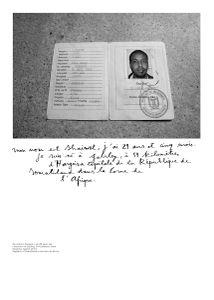
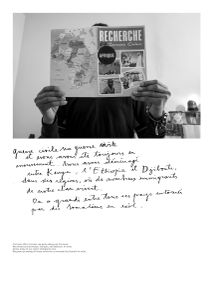
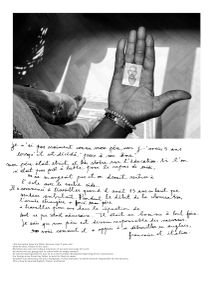
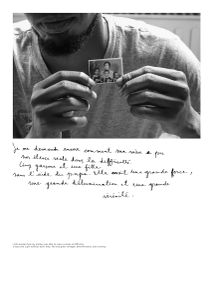
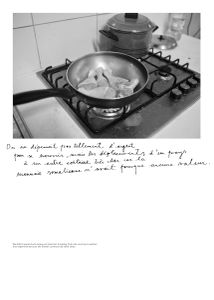
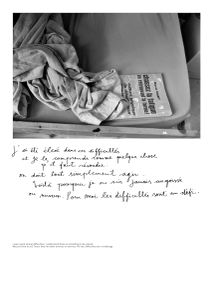
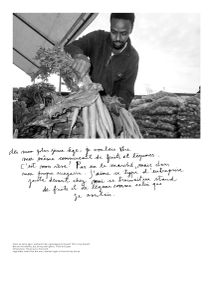
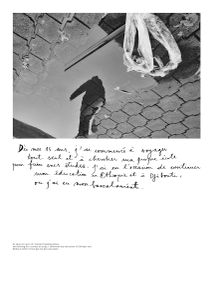
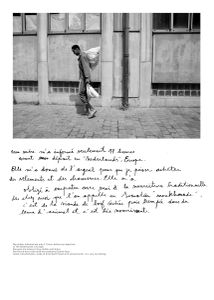
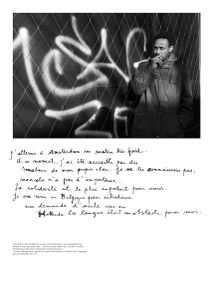
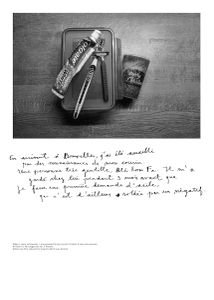
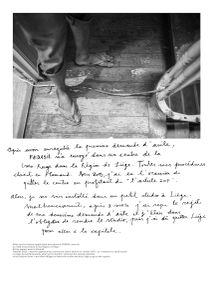
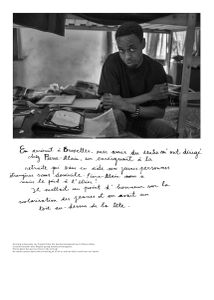
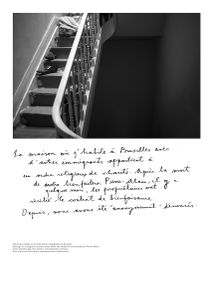
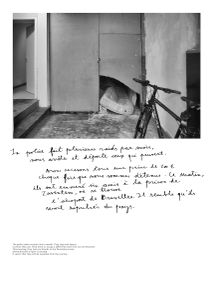
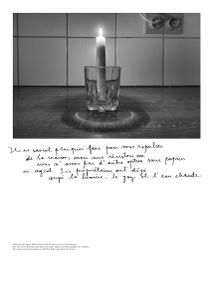
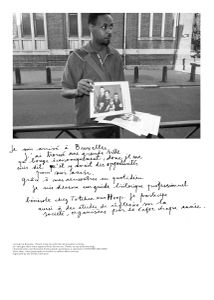
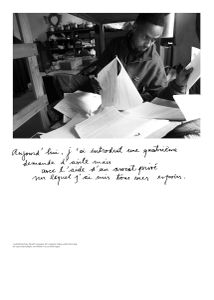
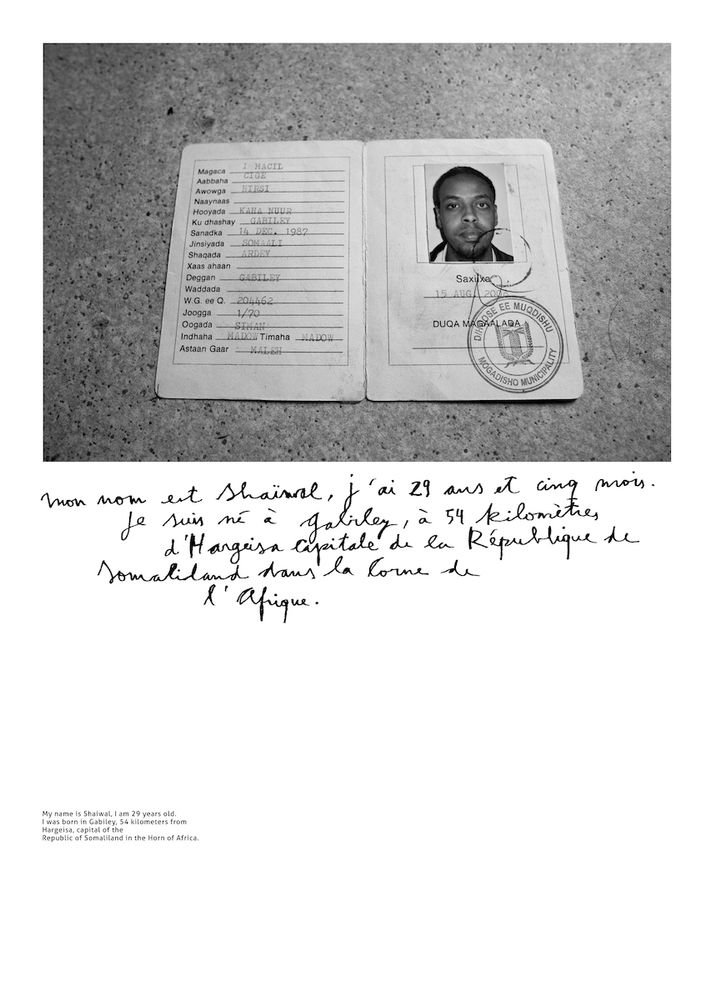
This work is part of the Odyssey project which aims to tell a human story, perhaps the most important, tragic and misunderstood one in modern times. The European press and TV are full of articles and reportages about migration issues from different perspectives, historical, political, economic, social, as well as legal and many others, but seldom the story is told in the first person and in the way migrants see it themselves. We are aware of the personal tragedies of migrants and refugees, travelling to Europe from Africa, Asia or the Middle East, risking everything, even their lives, to escape war, violence and poverty. We watch them every day on TV, trekking the Balkans or crossing the Mediterranean in shabby boats, and those sad images represent this modern exodus in our minds. Very seldom we go further in search of the root causes of so much tragedy and misery. We all suffer the CNN syndrome of intense coverage of a human drama or conflict just for a few days, to be totally forgotten and replaced by another piece of Breaking News, clouds and distort our understanding. We almost never see what happens after the migrants' arrival in Europe, besides some images of crowded refugee reception centers. Instead, we simply imagine (or fear, by the xenophobic extreme right) that they are taken care of by our generous welfare state. Our objective was to give migrants a voice and the opportunity to decide how to portray themselves, both in their photos and testimonies. They tell us who they are, what forced them to leave their countries and often their families, how they managed to survive an often long and perilous journey, and what happened to them once in Europe. Sometimes, the few objects that survived the Odyssey are more telling that thousand of words. Their origins are very distant, from Somalia to Syria and from Iran to Cameroun, but all of them would have preferred to stay at home if given the choice. Most of them fled their countries escaping from violence in its many forms. Some run for their lives due to war; others were caught in the middle of dangerous political struggles; some suffered from harsh religious dogmas; others from severe cultural discrimination; some even have to escape from family harassment. The reasons are many, but often economic factors only play a secondary role, combined with the main reason. Their journey is always dramatic. Whether they travel by boat or on foot; by bus or train; even by plane; they always risk their personal dignity and very often their lives. Almost always they depend on treacherous smugglers, who charge small fortunes and rarely respect their promises. The very existence of this flourishing and immoral profession is an indictment of the various wrecked migration policies in existence. Once in Europe, their experience cannot be more varied. Some receive asylum quickly, others have to spend years trying to get their papers; others never get them. Some receive support from the host government, others not at all, and have to rely on NGOs like Welcome Refugees or even on individuals that show extraordinary solidarity and humanity. We had avoided emphasizing the various legal statuses of migrants. Some qualify as refugees and have therefore more legal rights, others do not. We had tried to tell their stories as human beings, who escaped fear and misery to look for a better life for them and their families, and who deserve being heard, understood, respected, and supported as much as possible from both governments and civil society. They are our brothers and sisters, irrespective of legal, political, cultural or other considerations. They all continue their odyssey in Europe, struggling to get shelter, legal documents, finding a job, a school for their kids, learning one or several totally new languages. They often overcome steep barriers with their own resources and little government or other help to rebuild their lives. This is a story of resilience, of ingenuity and of hope against all odds.
No categories selected
Photos (18)