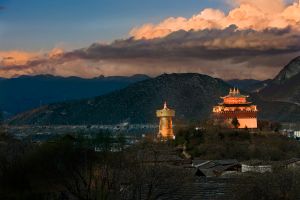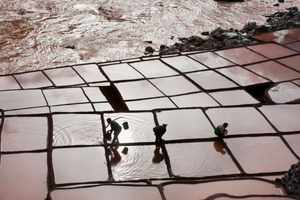

Tea Horse Road
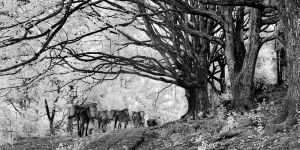
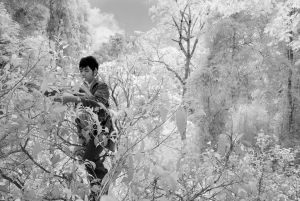
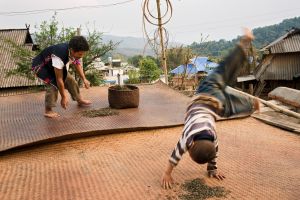
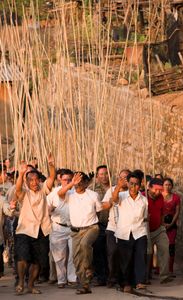
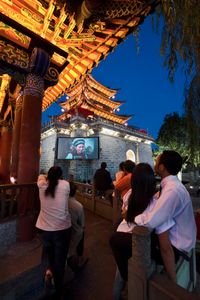
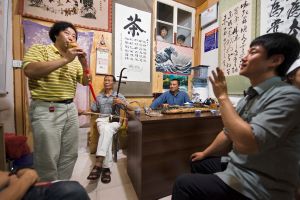
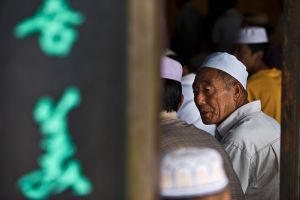
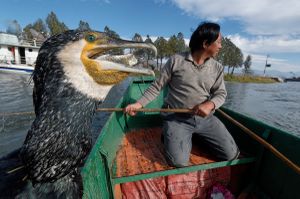
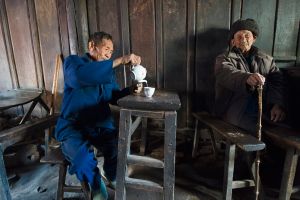
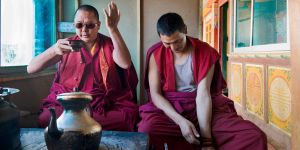
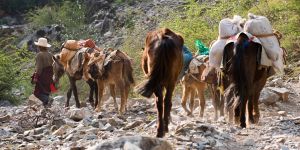
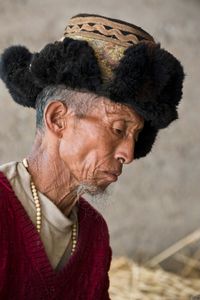
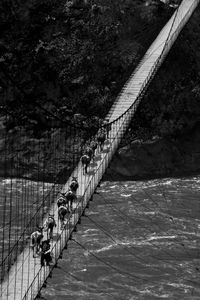
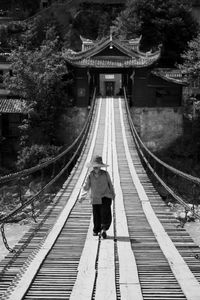
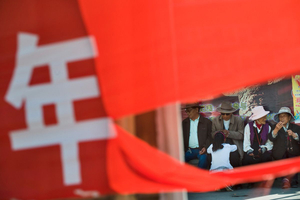
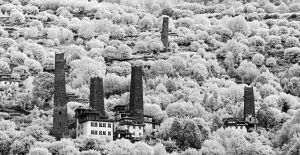
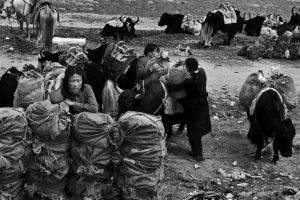
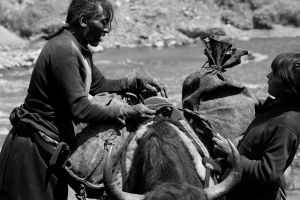
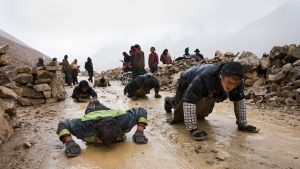
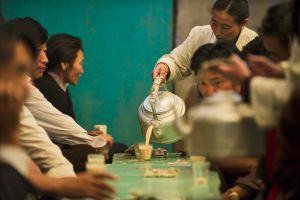
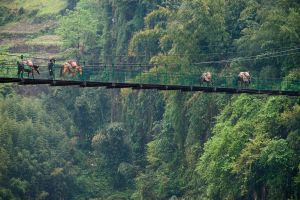
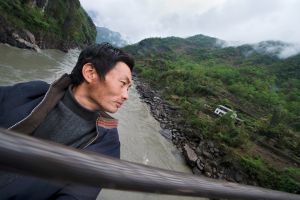
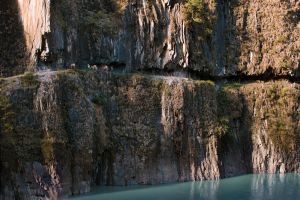
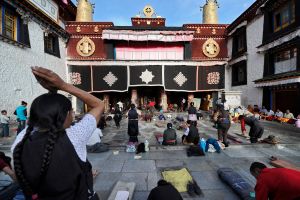
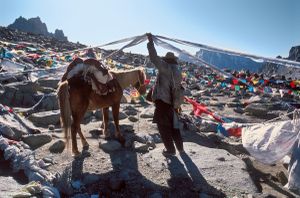
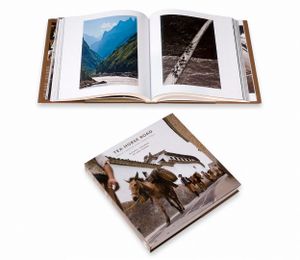
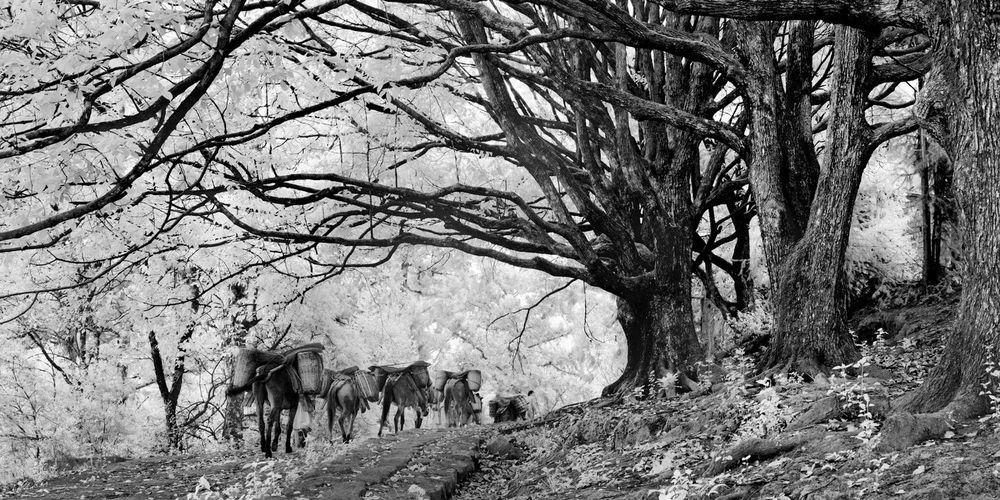
In the 7th century, during the Chinese Tang Dynasty, the elite of Tibet’s feudal theocracy discovered tea — and the tea they wanted was from China’s far southwest, from trees tended by the ethnic minorities. Supplying it meant forging a network of trails through forests, along gorges, across un-navigable rivers by rope and cable, over 5,000-metre passes. The Chinese also had a need — for war horses in their campaigns on the northern borders. The sturdy Tibetan horses were ideal, and the result was a two-way trade route that during the Song Dynasty became known as the Cha Ma Dao, the Tea Horse Road. The journey was hard and long — over 3,000 kilometres followed by pack trains of horses, mules and yaks, with some mountain sections traversed by human porters carrying 100-kilo roads — but tea was valuable. The road, a network of trails, lasted until the middle of the 20th century. It still exists, some of it forgotten stones in the forest, some of it paved over beneath modern highways. Today, the tea business is booming, though it no longer travels this way. A few of the men who lived hard, sometimes bitter lives on the trail survive— the leaders of the pack trains, called ma guo tou. The project lasted two years, and the result was this book, Tea Horse Road, published by River Books. We're now producing a second edition. http://www.amazon.com/The-Tea-Horse-Road-Ancient/dp/9749863933/ref=sr_1_1?ie=UTF8&qid=1390573420&sr=8-1&keywords=tea+horse+road
No categories selected
Photos (35)