Through Dust and War: Somalia’s Women
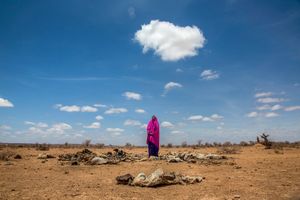
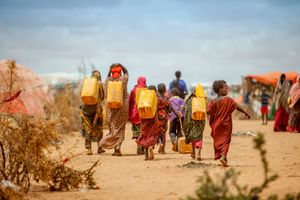
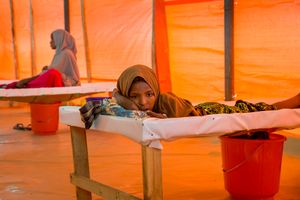
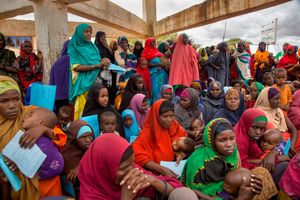
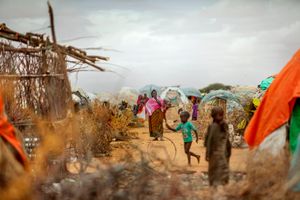
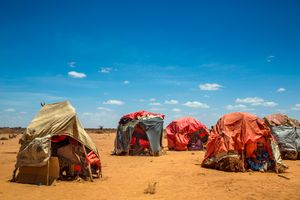
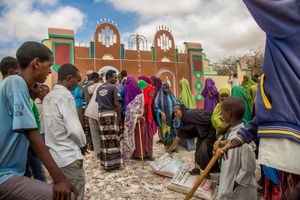
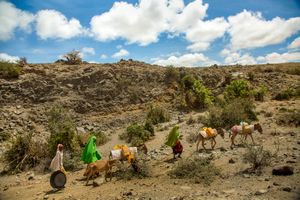
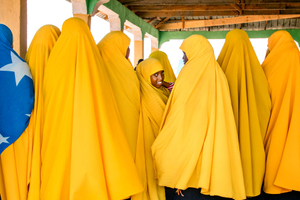
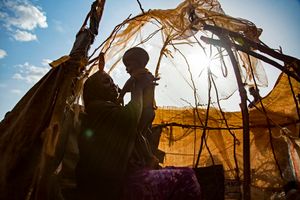
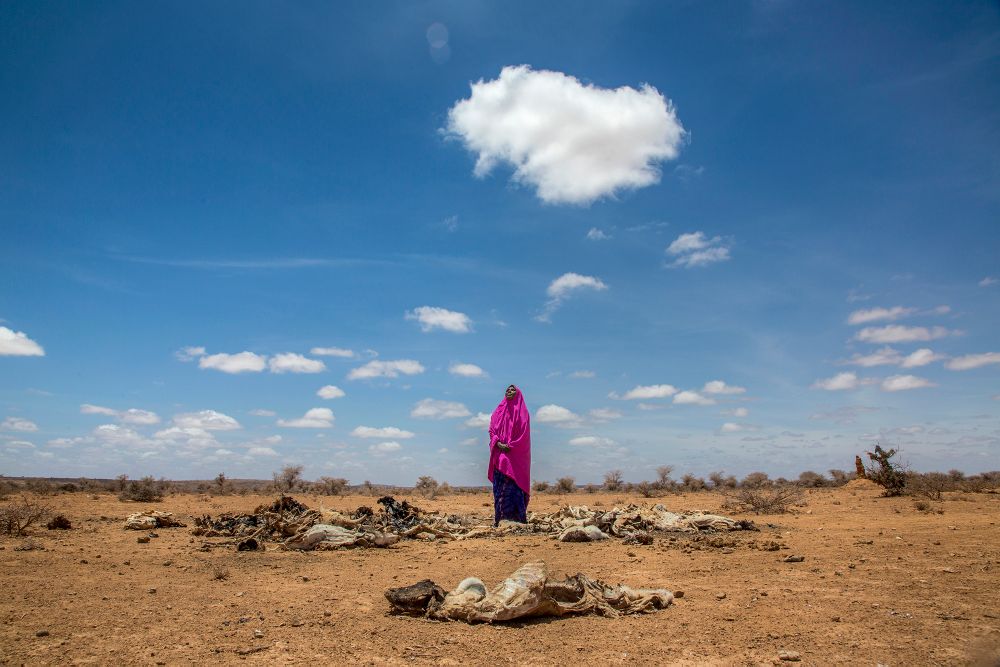
Somalia is one of the world’s most impoverished nations. Civil war has raged in the country for more than two decades, and climate change has, in recent years, brought increasing drought and food insecurity to the region. More than 2 million Somalis are currently displaced, 1.5 million of which are internally displaced, as a result of drought and conflict, the rest are in refugee camps in surrounding countries. Extreme environmental degradation, a burgeoning young population, political instability and extreme drought have had profound negative impacts on the Somali people, and it is the women and girls who bear the heaviest burden. This last year I’ve photographed the women and girls in Somalia, bearing witness to how their lives have become increasingly harder and yet they continue to do their best to keep their families alive. Women and girls have to walk longer distances to fetch water, either carrying the heavy Jerri cans on their backs or on the backs of weak donkeys, in some areas they walk for eight to ten hours to the closest water source leaving early morning and getting back at night to collect water points leaving them exposed to gender-based violence along the route. Water scarcity also compromises hygiene especially for girls and women as the little water available is prioritized for drinking and cooking. As primary care givers to their children, siblings and other family members that fall ill each year from water-related illnesses such as cholera women and girls are less able to work or go to school. Since men have migrated away with the livestock in search of pasture and water, women have been left behind with all family responsibilities and very little in terms of resources such as livestock. Livestock deaths and poor livestock conditions have led to lack of milk for children. Skipping meals and reducing portion sizes have become coping strategies. Those who get one meal a day are lucky and that often lacks any nutritional value. The women and girls of Somalia work to live through all this with grace and resilience but how much longer can they go on? This series aims to bring awareness to how incredibly hard their lives have become as a result of years of conflict and drought, we must not dismiss or forget them but do our best to find a way to address the challenges they face.
No categories selected
Photos (10)