
SIGNALS/NOISES
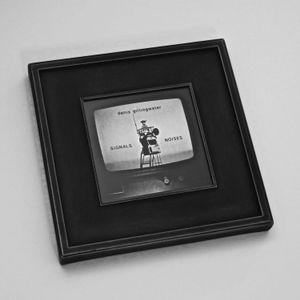
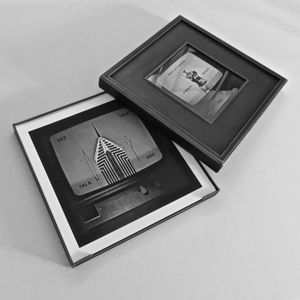
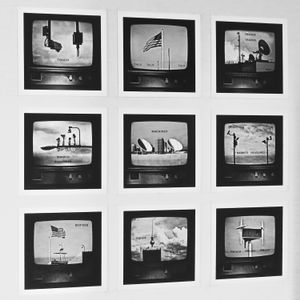
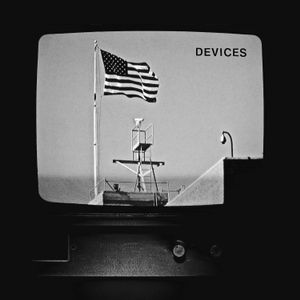
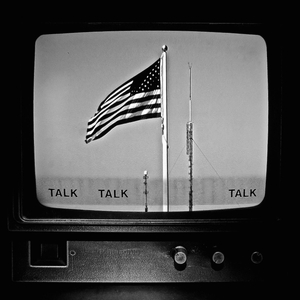
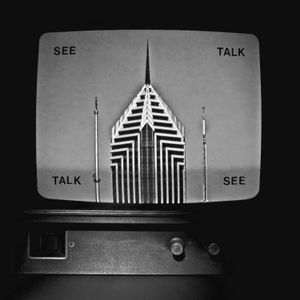
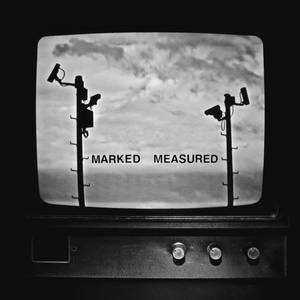
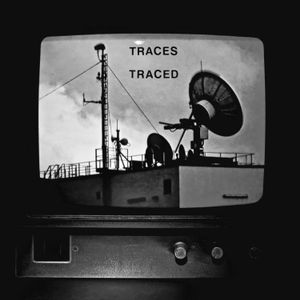
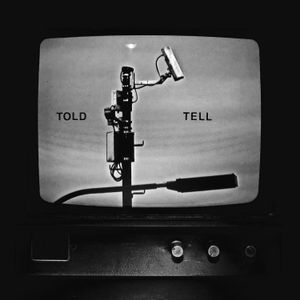
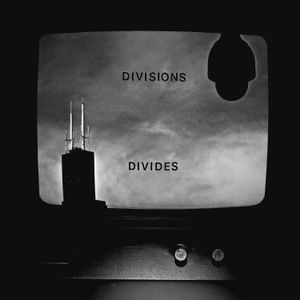
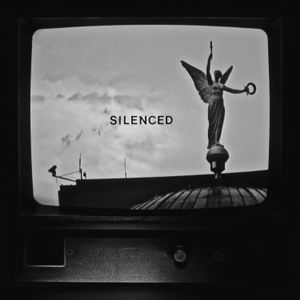
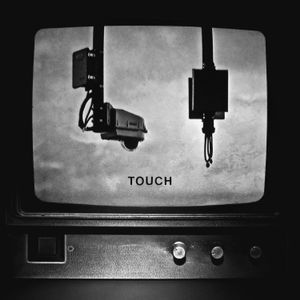
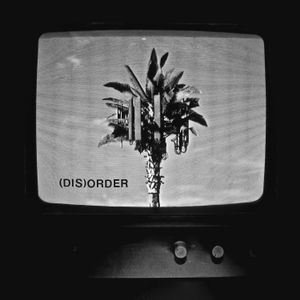
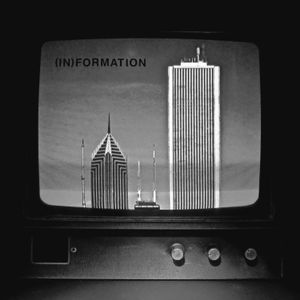
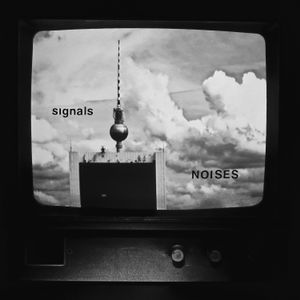
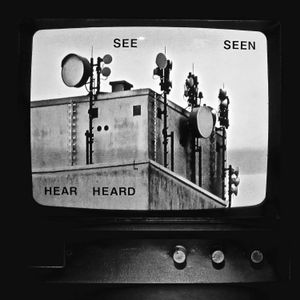
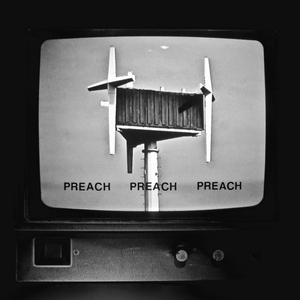
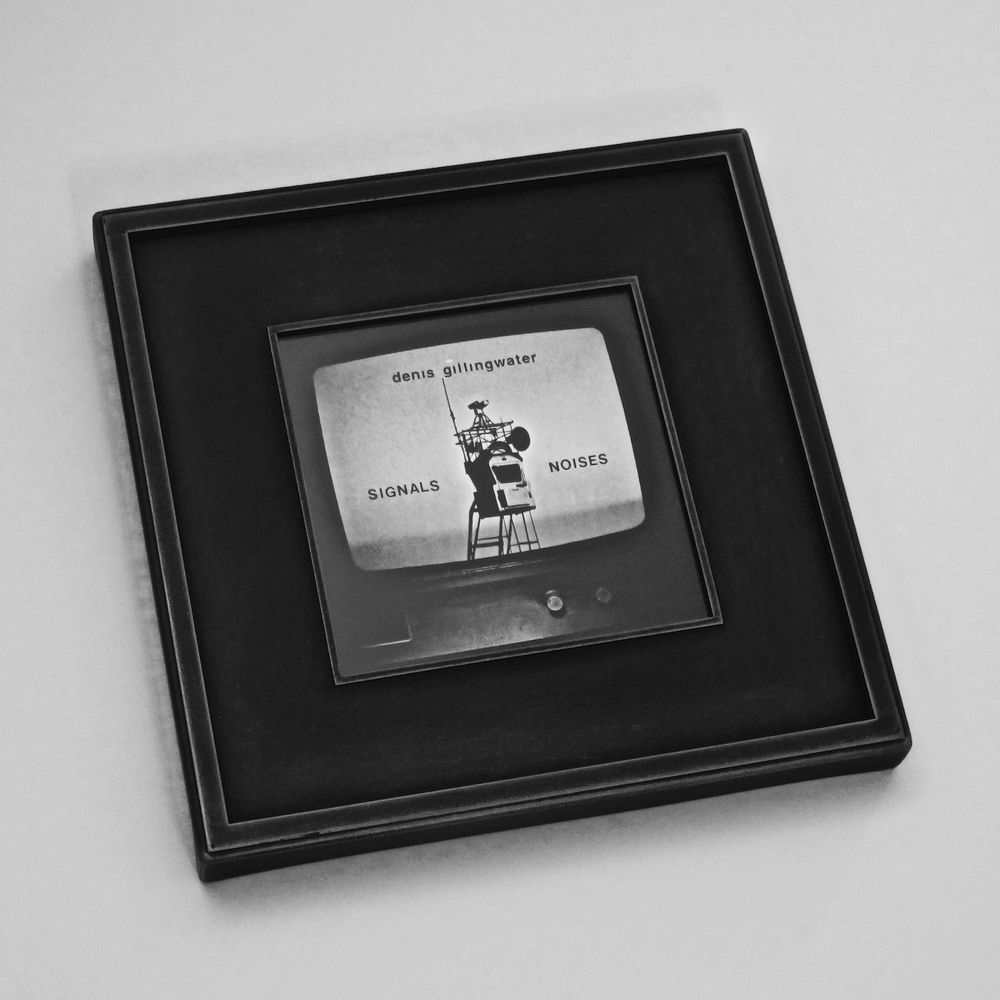
My photographs were originally taken in our “watched environs”. Resultant prints are then monitored through my studio based CCTV surveillance system and photographed again. The socio-psychological presence of surveillance is enhanced by this “framing” of the image. Our public and private environs are in rapid transition with the ever expanding number of tech towers, surveillance cameras, pedestrian and traffic control equipment, home monitoring devices, satellite dishes, etc. Actual surveillance imagery is most often blurred and loaded with “digital noise”. These characteristics are embraced visually and conceptually within my own approaches. In part, the photographs serve as metaphors regarding the instability and precariousness of the human condition no matter how “technologically advanced” we become. The more the world’s population advances educationally, culturally, scientifically, and technologically, an increasing segment live in denial as to our advancements. There is such a vast amount of media oriented noise within our everyday lives, that significant signs and signals of reality can be difficult to recognize and clarify. The on-screen insertion of words within the images is a means for addressing this and for raising questions about the rapid alteration of our lives due to the proliferation of new technologies. As Lynn Trimble, Art Critic for the Phoenix New Times, wrote about a recent exhibition of my work, “Gillingwater’s photographs prompt reflection on the surveillance state and the role of technology in modern life. It’s particularly relevant to contemporary political discourse in American society”. The recently hand made photo case contains seventeen images. The photo case, with a window showing the work’s title and cover image inside, would be displayed on a pedestal or shelf while the case’s sixteen photographs would be mounted on a wall above it.
No categories selected
Photos (19)