"Prosfygika" - The refugee settlements of Alexandra's Av. Athens
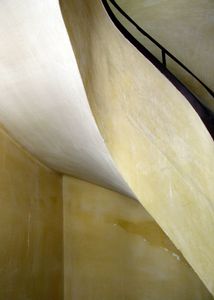
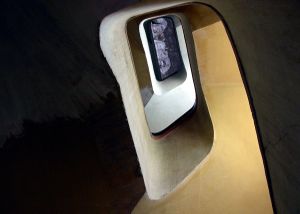
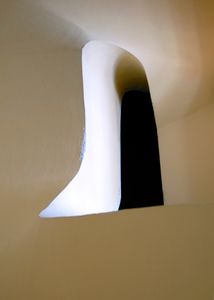
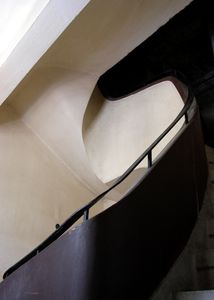
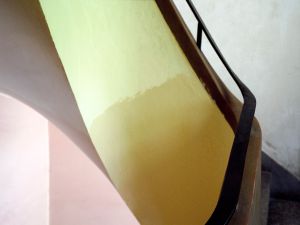
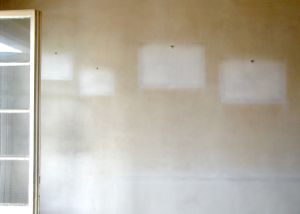
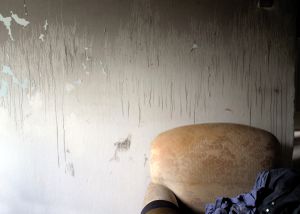
The Greco–Turkish War of 1919–1922, known in Greece as the Asia Minor Catastrophe, occurred during the partitioning of the Ottoman Empire after World War I. It ended with Greece giving up all territory gained during the war, returning to its pre-war borders, and engaging in a population exchange according to the Treaty of Lausanne (1923). As part of the Treaty, all Christian Greeks living in Turkey, about 1.5 million people were expelled or formally denaturalized. The entrance of the Asia Minor refugees in Greece was so vast that overturned any balance in the country’s population. A nation with limited natural recourses, divided politically and financially destroyed, received a vast wave of refugees. Within them, women and children outnumbered. The refugee settlements on Alexandra’s Avenue in Athens were designed and built in 1936, by two exceptional Greek architects (Kimon Laskaris & D. Kyriakos), to house exclusively Greek refugees from Asia Minor. They are considered to be the first apartment buildings in Greece -- a characteristic sample of Bauhaus Architecture -- and are placed among the 113 most important works of the 20th century‘s Greek architecture. They consist of eight buildings that house 228 apartments in total. In 2001 the Greek government bought the majority of the apartments to use them to its benefit. As soon as they were emptied, I addressed to the government and requested the keys in order to photograph the architecture of the communal places as well as the traces left back in the apartments. My visits lasted five years. Initially, I was exhilarated by what I found each time I unlocked a door. Each of the 200 keys that I had at my disposal exposed a different story. Like an indiscreet key holder, I riffled through the characters of past owners and isolated details of their past lives, traces left behind. History had left a fingerprint behind each and every door. It took me quite a while to sight the playfulness of light and shadows within the pale and often broken into entrance hallways of the apartment blocks. I soon discovered my adult playground; through my camera lens, the staircases, apart from manifesting the astonishing aesthetics and architectural “penmanship” of their period, offered themselves as an exciting game between light and darkness, a more thrilling amusement for a child fed up with the same old toys. The conditions under which I took these photographs, however, were not ideal. In the tiny apartments, space and hence movement was limited, as was the light; I had to make do with whatever light crept in through the unyielding or broken shutters. But I had made a deal with myself, which I honored in every visit: I did not interfere with the scenery; I remained true to its spirit. I photographed everything exactly the way I found it, honoring its history.
No categories selected
Photos (28)