
The Purgatory
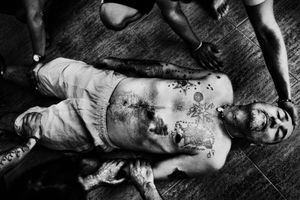
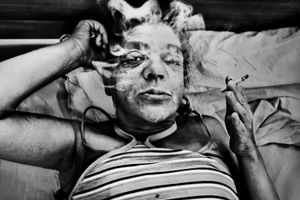
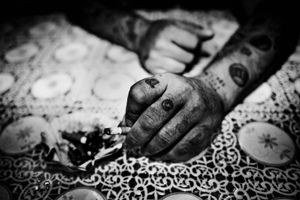
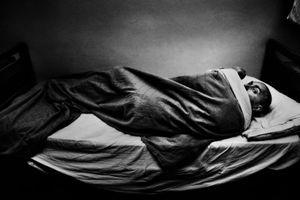
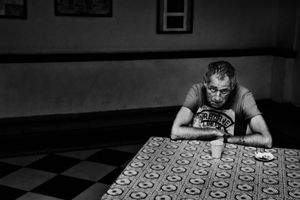
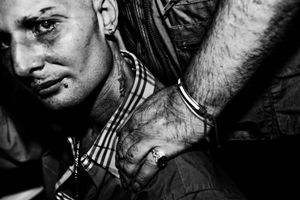
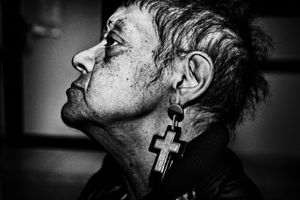
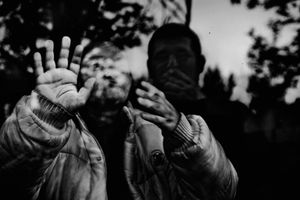
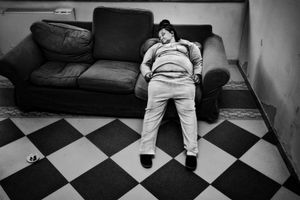
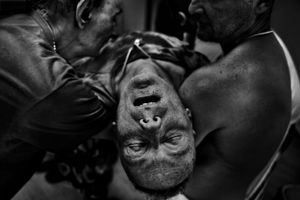
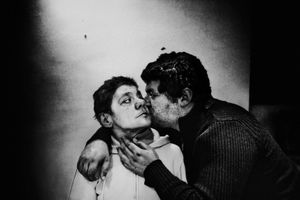
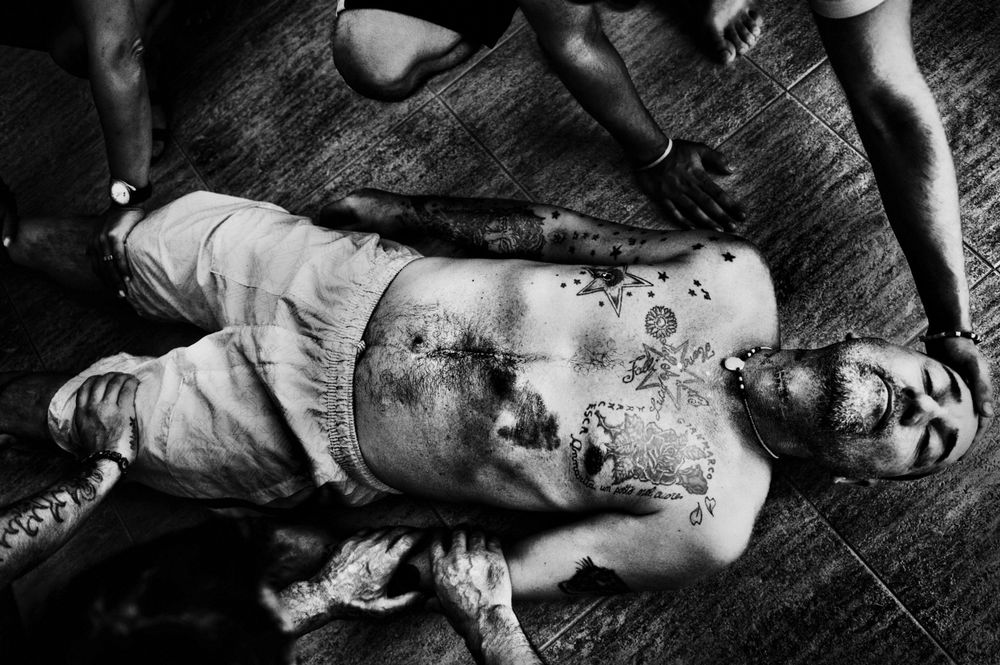
"Here you'll find those who hope to reach, whenever that might be, the blessed people" - Dante Alighieri (Introduction to the "Purgatory"). For months I have followed the world of a psychiatric rehabilitation center, to shed a light into the daily life of the mentally ill convicted. A decree-law confirmed that the OPGs (Psychiatric Judiciary Hospitals) will be closed. Private centers is the place where both those who have judiciary files and the mentally disabled, meet. The routine, the feelings, the expectations the possible future of people during their reclusion. The life in the human Purgatory. How has changed, in the recent years, the condition of the mentally ill convicts in the institutional world in Italy? Is there a true rehabilitation path aimed to the re-integration in the society? What is the real situation and, most of all, the daily routine in the government-funded psychiatric rehab centers? Is this mass of people doomed to become addicted to psycho-pharmacological drugs? In Italy people with mental infirmity who commits a crime are now sent in what is called OPG, Psychiatric Judiciary Hospital. Back in 1978, the revolutionary law "Basaglia" (or law n.180), introduced a reform of the psychiatric system in Italy, to close down the psychiatric asylums, with the intent to replace them with a range of community-based services. In spite of that law, OPGs are, de facto, psychiatric hospitals that offer no way out to the infirmity of the internalized convict. Legislative decrees to close OPGs have been prepared, but then always postponed. Together with OPGs, Italy counts a series of private psychiatric rehab centers, funded by the government. In these places, often "villas", we find secluded many different mentally disturbed patients. Some are criminals with less severe mental pathologies, whom have being diverted there from overcrowded OPGs. Others, are mentally ill patient with no judiciary files. More are drug or alcohol addicted. We can also find here criminals who developed some kind of mental disease during their conviction in regular prisons. On top of that minors and women with mental problems (criminals or not criminals) have no special custody programs. In this human melting pot, the way for a recovery is an impossible ordeal.
No categories selected
Photos (14)