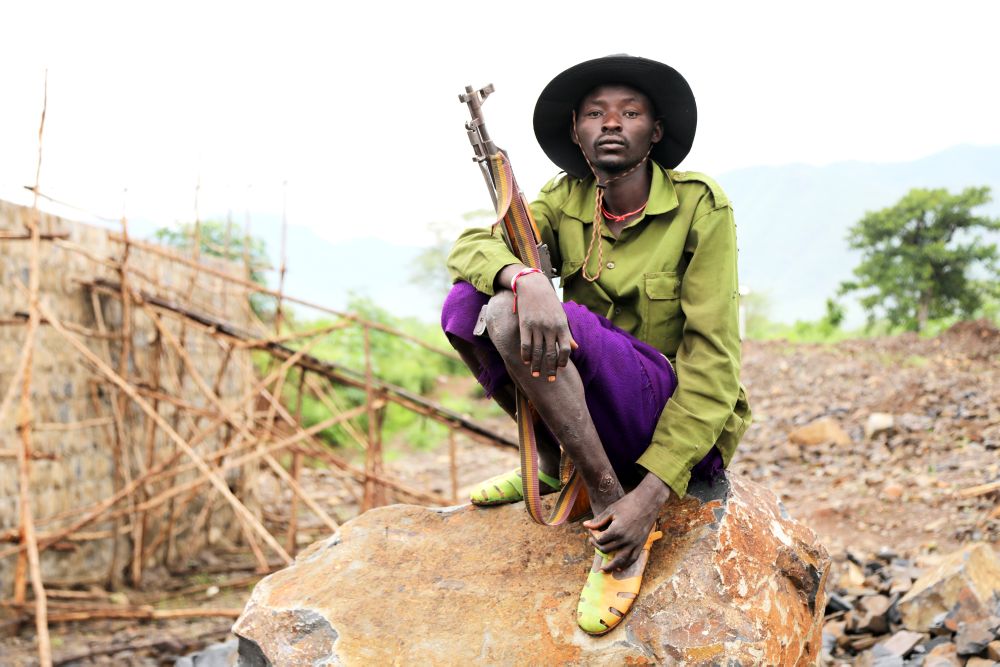
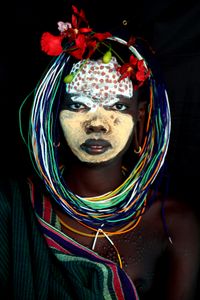
These are the faces of the Omo Valley in Southern Ethiopia. There are currently 200,000 people living amongst several tribes along the Omo River within Africa’s Great Rift Valley including the Surma (or Suri), Mursi, Karo (or Kara), Hamer (or Hamar) and Dasanech tribes which I have been visiting. This collection of photos were taken between October 2017 and April 2018 as part of a project I’ve been working on since 2010 documenting remote villages and tribes across Africa. In October I accompanied a group of Californians to the Omo Valley who were interested in getting first hand knowledge about how the dams are effecting the lives of the indigenous tribes. As with many complicated situations, I left the valley with more questions than answers and a strong desire to return immediately which I did in April.
I feel a connection to the land and the people in Ethiopia that I have not felt anywhere else in my travels. I also pick up a surge of change in the air for the tribes, who are now in a transitional phase. Much of their land has been leased or sold by the government to build the dams and run sugar, tobacco, palm oil and cotton factories, using the fertile land that the tribes have used for centuries to feed their cattle and grow their food. In many places the river will no longer flood because of the structure of the dams, so the tribes can’t do their flood farming cultivation techniques they’ve survived on for so long. In addition, many of the tribes have been forcibly relocated to unfamiliar terrain and unable to bring their cattle with them. Their economy was based solely on cattle until the influx in tourism which now provides cash through sales of trinkets and tourist goods. At the same time, the value of water is increasing and the power generated from the dams is helping millions of Ethiopian citizens outside of the Omo Valley who rely on electricity. Along with the rest of the planet, the Omo Valley is experiencing climate changes with temperatures higher or lower than expected and the rain and dry seasons becoming more and more unpredictable, adding yet another layer of change to their agricultural lifestyle. The political climate in Ethiopia is also shifting, with a new Prime Minister being sworn in a week before I arrived back in Addis. A search on the internet will find articles discussing Ethiopia as one of the fastest growing economies and tourism destinations in Africa, begging the question, “Will the indigenous tribes of the Omo Valley be able to sustain their daily life outside of the modern world or is this the last generation who will be living without electricity, wearing animal skins, painting and scarring themselves for beautification, and wearing lip plates upon marriage?”
The photograph of the young woman from the Mursi tribe encompasses in a single image the project I’m working on. In it, the only clothing she is wearing is a cloth tied around her waist. She has tribal scars all around her abdomen and arms representing her fertility and readiness to wed. Her ears are open in a large circle with flat round earrings inside the lobes, somewhat similar to ear lobe alterations amongst fans of body piercing in more Westernized cultures. She does not yet have a cut in her lip for the pottery discs that the older women in her village wear for ceremonies (and for tourists), which could also represent a shift to more modern views on beauty influenced by the visitors and photographs seen by technology on the internet. What represents the biggest shift in times in this photo is the cell phone hanging from her neck on a beaded necklace, placed amidst her scarifications. This is the moment when the paradigm is shifting for her tribe. As more tourists come and visit, and more technology becomes available, the isolation from the outside world that these tribes have experienced for eons is fading away little by little. This, combined with the dams and factories around the land, is why I find this project so timely and an opportunity to continue to visiting the Omo Valley and observing both the positive and negative effects of our/their changing world.
These photos serve to open a dialogue discussing the complexities of subjects ranging from water conservation and privatization, to body artwork and rites of passage, to the balance of tourism and culture, amongst so many other subjects that I’ve been in conversation about since first sharing these photos in my own community. Most people are unaware that a way of life like this still exists. The Omo Valley is one of the few places left on the planet where a society exists closely to how it did before electricity and the internet, stoves and plumbing, grocery stores and shopping malls, cars and traffic. Within a few years the whole world will be connected through wifi beaming from satellites Mark Zuckerberg is putting in the sky and within a decade Elon Musk hopes to have a rocket I can take from LA to Africa in the time it takes me to drive from Dodger Stadium to the beach in rush hour traffic. Soon we will all be connected and the world will be one big village and hopefully these photographs will remind us where we all came from originally. We are all in transition every moment of our lives, and the Omo Valley is a microcosm of both long and short-term global concerns.
www.KellyFogel.com