

Project MARIA
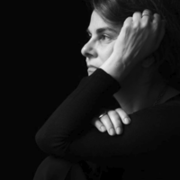
Project MARIA memorializes the victims of the Ukrainian famine of 1932-33 - Holodomor - an event widely thought to be genocidal. At its center is a single vernacular image of a young girl who survived and resides in Canada. More than four million others did not. The work, in book and exhibition forms, presents my intellectual and emotional response, informed by current research and the stories shared by survivors in the Ukrainian Canadian community I grew up in. The project utilizes three kinds of images. A fictional album of Maria’s life offers an illusionary sense of order while pointing to the impending horror. Lead-like images derived from a laborious process and the use of ash, pigments, parchment, wax and felt express the feeling of starvation – the body transformed into skin and bone - the spirit destroyed. An abstract representation of the ancient Salamis counting tool, explores my inability to grasp the conscious eradication of human life on such massive scales. In writing about the work, Alison Nordström notes: “It often falls to the artist to give material form to memory, especially when, as in this case, there can be very few people still living who experienced the Holodomor firsthand. It is tempting to call this event unimaginable, yet Maruschak has not only imagined it, but has created a series of images that manifest the ways she responds to it, intellectually and emotionally. More than many photographs, these works are objects as much as images. Whether organized in book-form or in large-scale installation, it is the materiality of these heavily worked, waxed, and pigmented things that conveys the tortuous and persistent re-visiting of the past that the artist engages in.” MARIA is a contemporary documentary representation of a modern-day atrocity - a cautionary tale to be heeded.
No categories selected
Photos (12)


