The Tinners' Way
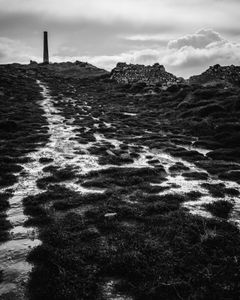
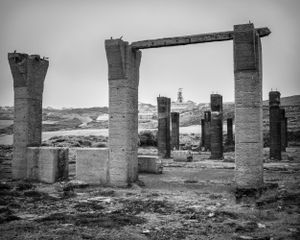
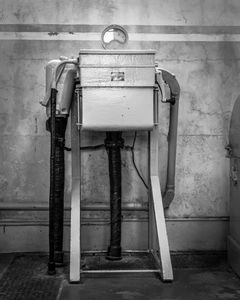
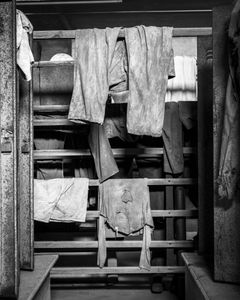
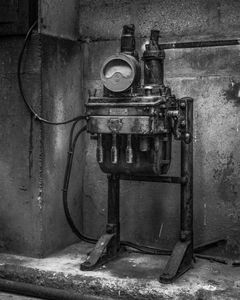
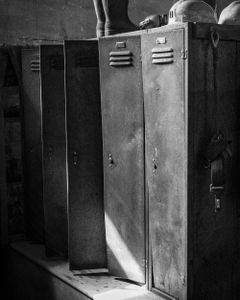
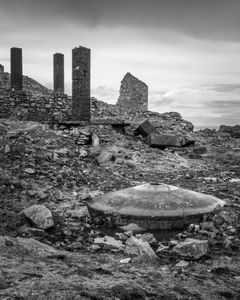
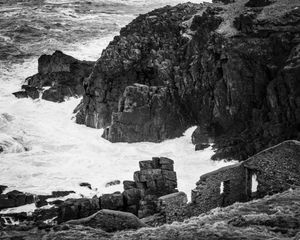
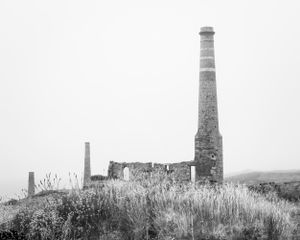
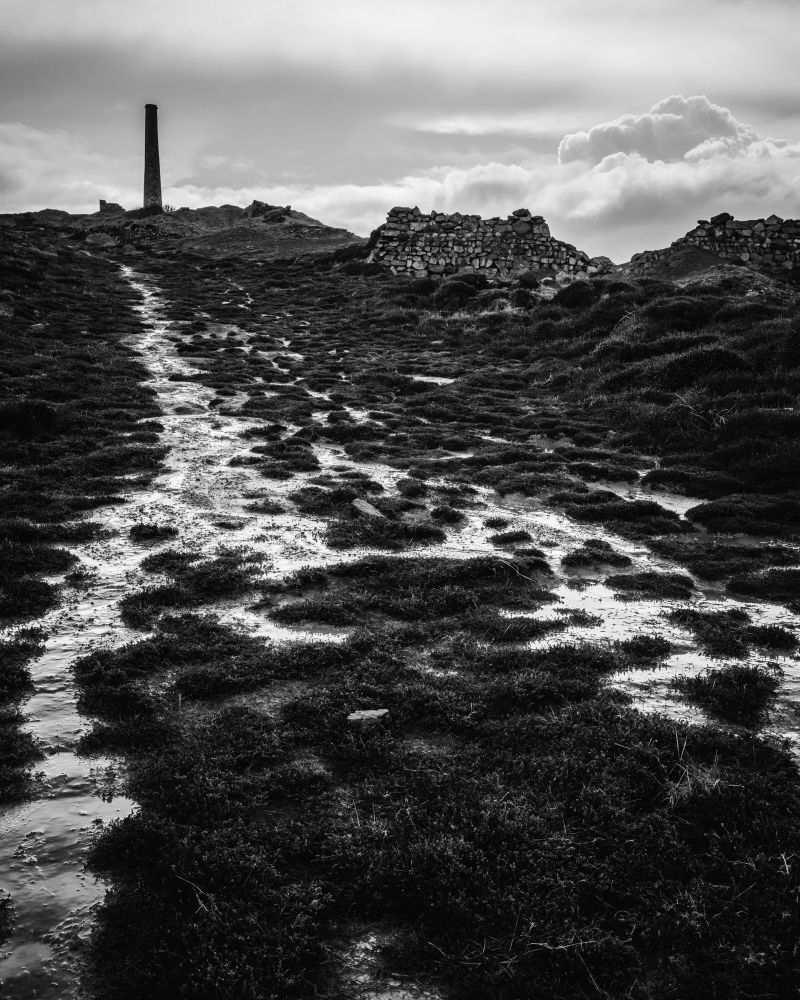
The Tinners' Way is about the landscape of the Cornish mining industry; topographical, cultural and emotional. The title refers to the Bronze Age network of trackways that once linked the mine workings of Penwith some 3,500 years ago. Today, it is a walking and pilgrimage route. These images map the intertwined, post-industrial landscape of Levant and Geevor mines, now a World Heritage site. I wanted to capture the essence of the experience of visiting the area, the spirit of place, to do justice to the proud men, women and children whose lives were shaped by, and dedicated to the mines. Geevor, the last Cornish working mine, closed in 1986 due to it no longer being economically viable to extract the tin. The closure ripped the heart out of the local community, whose lives had revolved around the tin industry for generations. Geevor is now a splendid museum whose scale and emotional impact is hard to comprehend at first visit; it is as if someone has pressed the pause button. You can spend hours roaming among the well-preserved buildings complete with the machinery and unnameable equipment for the various processes necessary to extract the tin from the earth and systematically refine it down. The sense of presence and absence is profoundly moving. The Geevor museum complex is set amidst the post-apocalyptic landscape of Levant mine which closed in the 1930s; the history of the mine’s past is now told through stories in the hands of museums and myth, but the ghosts of the past echo on in the landscape, memory and imagination. Today, the cathedral like structures of the ruined engine houses look romantic. It is hard to comprehend the scale of the domination the industry once held over the countryside. Now, it is the landscape that reigns supreme, reclaiming its complex topography.
No categories selected
Photos (9)