Statia Song
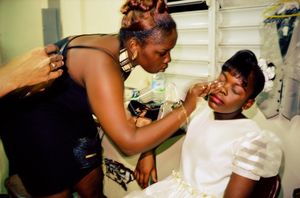
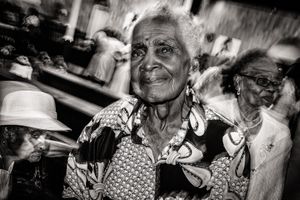
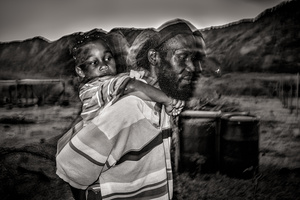
Statia - an 8 sq/miles island officially named St. Eustatius, washed by the waves of the Caribbean Sea, hurtled by history's forces. Centuries ago a major staple market and centre for slave trade, home to wealthy European merchants, fiercely fought over by colonial powers - an era when the island was called the Golden Rock, when it fired the famous first salute to the new American flag on November 16, 1776. This era still is at the core of Statia's self-esteem. Later on a sleepy colony of The Netherlands, thinly populated with Afro-Caribbean families. An island where most everyone was somehow related to everybody else - "we all one family". A place where modernization had its earliest, hesitant start in the late1960's. In 1996, when I first came here, Statia's 2000 inhabitants still lived a calm and quiet life. Nobody locked their doors. Cars were few and had small numbers on their plates, if any at all. Most people went on foot. Whoever you met in the streets, you greeted and usually you had a little chat. Statia still was one family. Now history is hurtling Statia along again. Since 2010 constitutional changes have covered the island's social structure with a layer of Dutch officials and business people, adding to the already swelling influx of migrant workers and other foreigners attracted by the American oil terminals company. Today some 4000 people are living here, very few still walk the streets, dark shielded cars abound. Doors need to be locked properly. The Statia family, the group of Afro-Caribbean families that have been living here for ages, have become a minority in their own island, fighting not to be second class. Yet, hidden behind the new façade of modern life, old family life continues and the Statia family goes on living together, trying to keep up their traditions, their celebrations, their rituals of mourning, and trying to redefine their identities.
Photos (12)