SITE/SIGHT
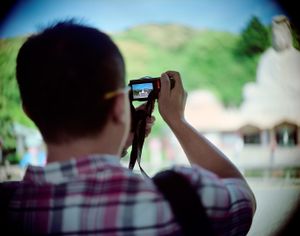
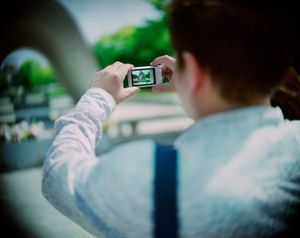
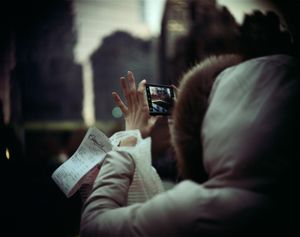
During the past two years I have visited twenty-four sites and memorials related to genocide and atrocity. At these places, emblematic of our most violent histories, visitors almost automatically raise their smart-phones and cameras.
These sites are complex – and so is the act of photography. The memorials are intended, like photographs, to serve memory and provide a record. They may attempt education, mourning, and closure; they are often places of burial. But, like photographs, they can suffer from prurient interest, disrespect, and partial information. They are surrounded by everyday life – and sometimes there’s a gift shop. Both the sites and the photography can – and may need to – stand between visitors and full engagement with what they represent.
I photograph this photography, this very contemporary action, with its implications for seeing and empathy. I hand hold a 1940’s 4x5 press-camera, equipment that fits with looking at the present in terms of the past. I use an undersized lens, giving shallow focus and dark corners but allowing me to make large prints. My subjects rarely notice me. Each image is titled with name of the place and country, creating a kind of catalog of memorialized atrocity. The project is ongoing; it is one of several in which I work with memorials and the intractable past.
I was raised in England with mixed Anglican and Jewish heritages. Only collateral members of my father's family were caught up in the Holocaust, but for me histories of atrocity speak to our contemporary world’s tensions and contingency – and counterpoint its comforts.