
Perceptual Screens/Observational Grounds
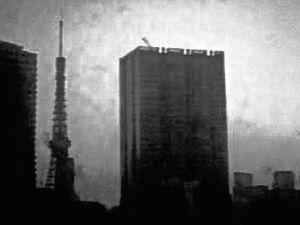
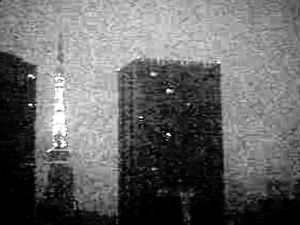
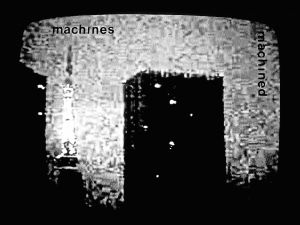
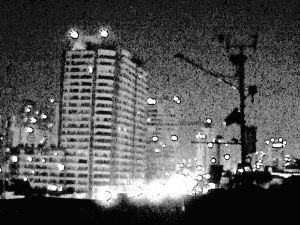
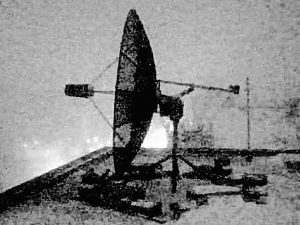
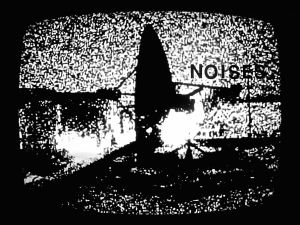
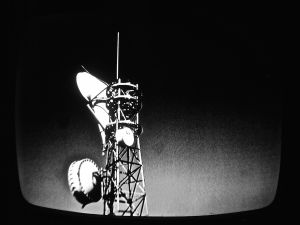
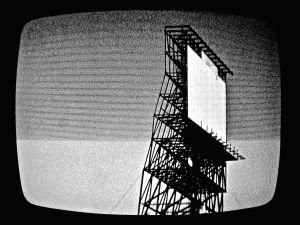
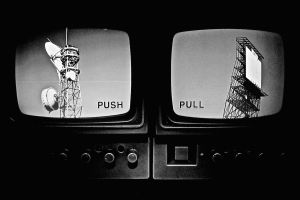
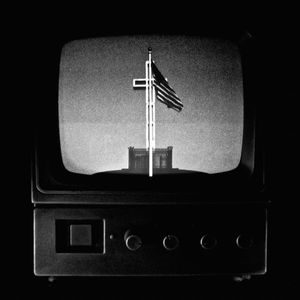
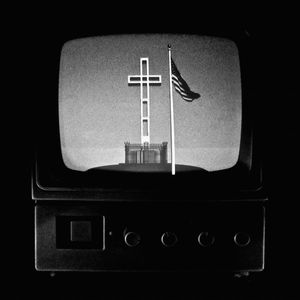
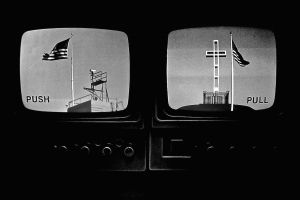
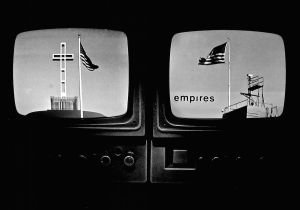
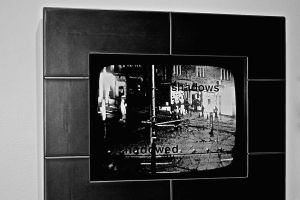
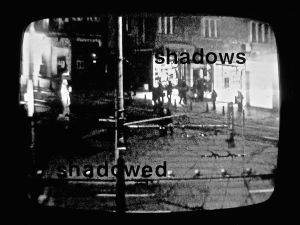
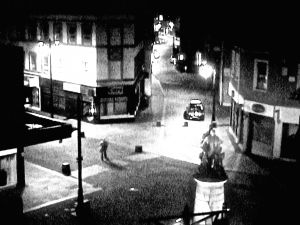
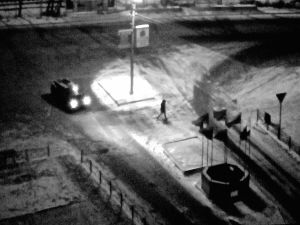
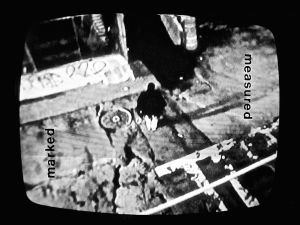
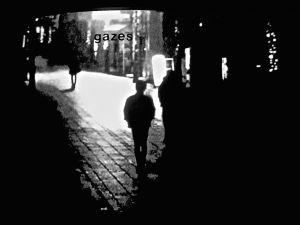
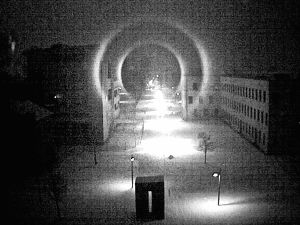
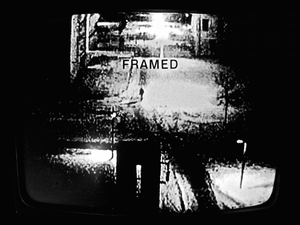
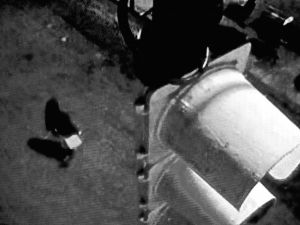
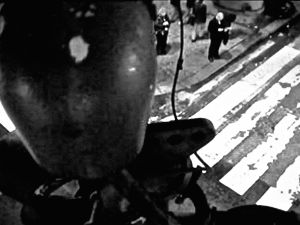
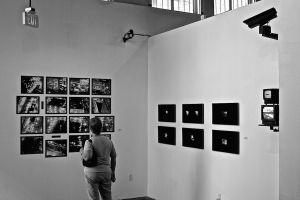
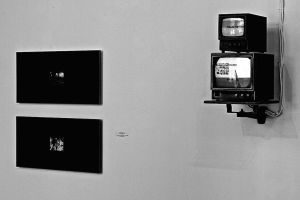
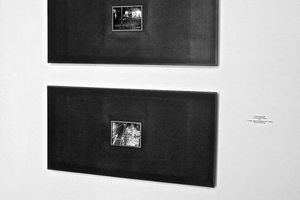
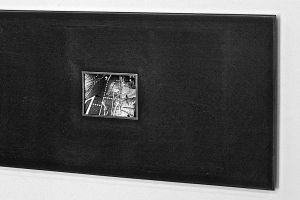
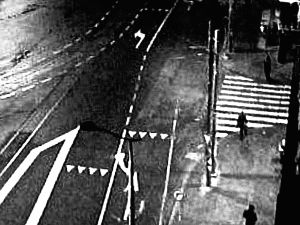
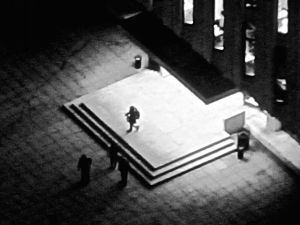
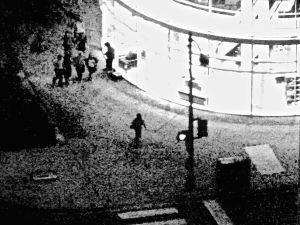
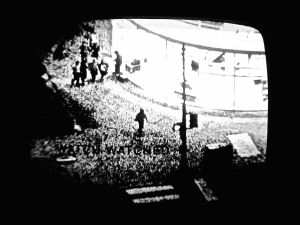
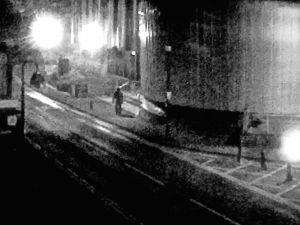
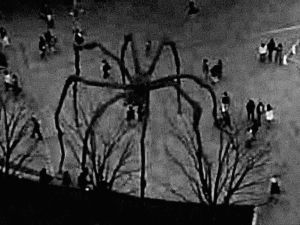
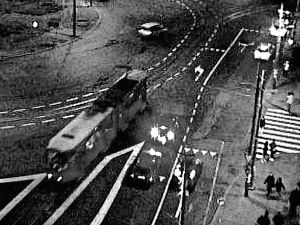
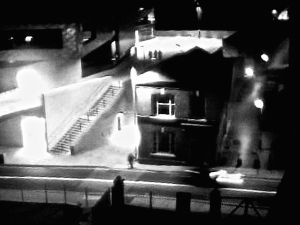
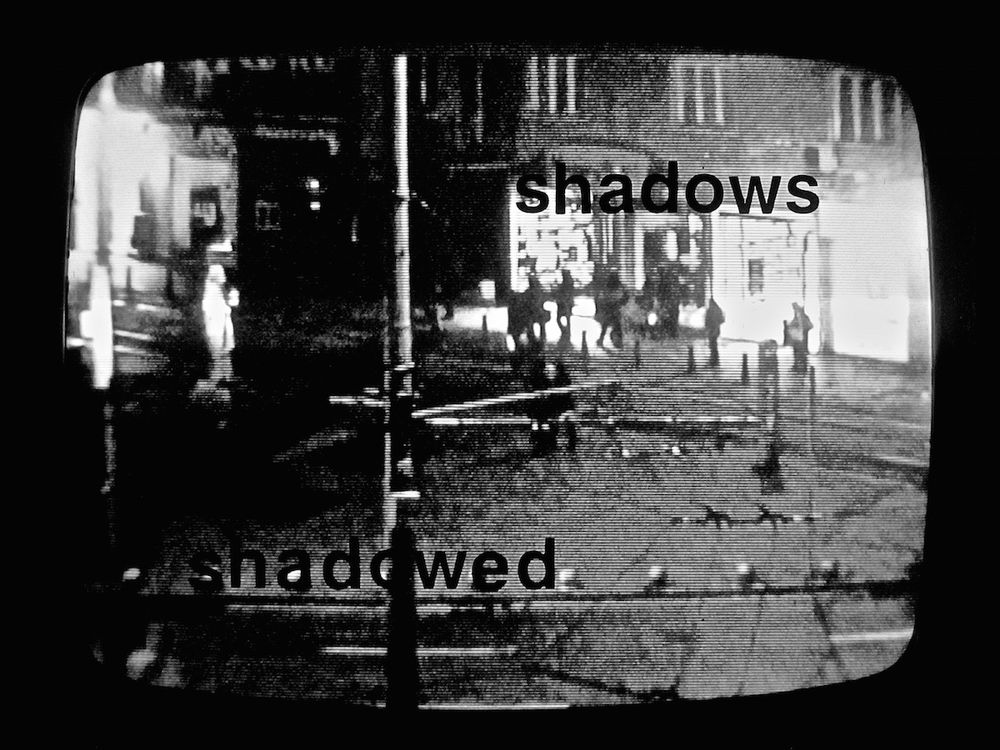
Since 1989, the incorporation of CCTV Surveillance Systems have been primary components in my site-specific sculptural installations. Photographic images were also essentials. The images were city-specific as to the museum's location and were of my own taking. My http://denisgillingwater.viewbook.com website contains a number of these sculptural installations, plus various two dimensional formats incorporating my photographic images. Whatever the format, each art work contained at least two images, and at times, had as many as thirty images creating a "crossing narrative" of images. This initial project for my Lens Culture website represents only work begun in 2013 and explores various photographic approaches regarding our urban environs as seen through internationally based CCTV surveillance cameras. This is an alternative to previous work approaches. It is during this period my photographic pursuits have been primarily focused on single image photographs without "crossing narrative(s)". The first photographs were originally accessed via an iPad from international surveillance cameras. Pedestrian, traffic, and weather monitoring cams were primary sources, along with security cameras used for watching large scale structures for vandalism. An iPad was placed in a black box, its images were photographed with a Power Shot Camera, and then downloaded into a MacBook Pro for digital alteration. In turn, some of these images were printed and then pinned on my studio wall. They were then monitored by my own CCTV Surveillance System and photographed for final printing. Sometimes, words are incorporated for word/image activation. A majority of the images are now photographed on sight. Intentionally, they are digitally rendered to appear as if initially imaged through an accessed surveillance camera. The photographs are exhibited in self-made frames with a somewhat gritty and industrialized appearance. Most often, the selection process and rendering approaches address the urban context in its glittery and/or grittier associations. Surveillance imagery is often blurred and loaded with “digital noise”. These characteristics are embraced both visually and conceptually. The work intentionally runs counter to the current common practices regarding highly refined and “cleansed” digital photography. The photographs serve as metaphors regarding the precariousness of the human condition no matter how “technologically advanced” we become. At times, they address conflicting issues regarding commercial, cultural, racial, historical, political, and/or media oriented factions within urban environs. More often, they are not as issue driven, but about people's "abstracted" passages in grittier urban confines.
No categories selected
Photos (36)